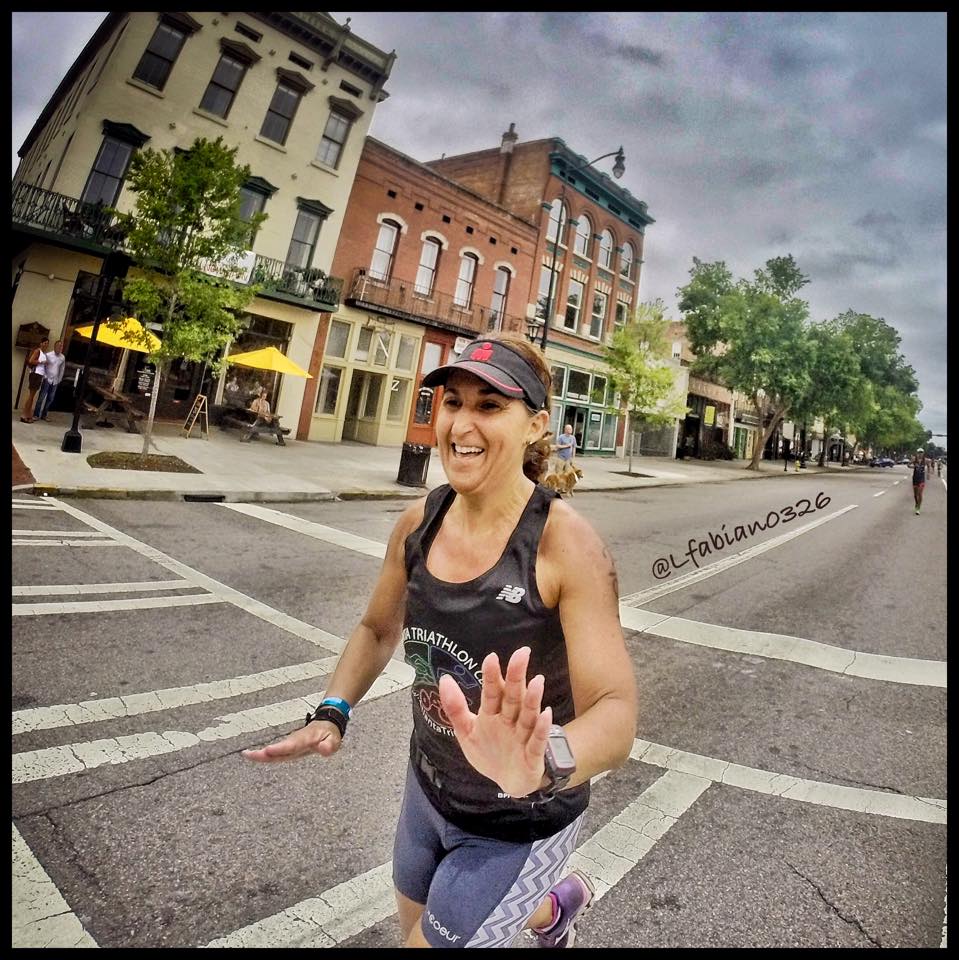
Increase Your 5k Performance through Proper Nutrition

For many, the phrase “increase your performance for a 5k” conjures images of supplements and ergonenic aids. An ergonenic aid is something that claims to enhance energy and performance. Wise athletes treat food as fuel. Like fuel for a car, energy for an aerobic, intense event, such as a 5k, has an optimal blend. Carbohydrate and fats are the optimal energy for high intensity aerobic exercise. Typically, an athlete should have enough fat stored to get through a 5k race without having to “eat” more fat; carbohydrates thus becomes the focus for this event. Protein is highly unlikely to be used as an energy source in a 5k race. However, protein is essential for growth and repair of muscle and body tissues, and should be an essential part of the recovery meal following your 5k.

Consuming carbohydrates before your race can enhance performance by maintaining adequate blood glucose (sugar) levels, the main fuel for your muscles. Furthermore, glucose is also the main source of energy for your brain, and a well-nourished brain will improve your race focus. Scientific studies have shown that a high carbohydrate meal or snack before an event enhances endurance and energy.

For a 5k race however, a large breakfast is probably too much food, yet a snack, such as a banana, or an energy bar should provide the energy required to maintain a decent pace for at least 30 minutes or a typical 5k race. Many athletes avoid food right before an event, because of the perception that it may cause gastrointestinal distress if not digested. A low-fiber, low fat snack could digest within five minutes, such as a banana, a slice of white bread, or some granola. Furthermore, advances in sports nutrition have enabled athletes to make performance gains with scientifically-derived products (such as bars, gels and sports drinks). Research suggests that these products, or even just the 100 calorie snack mentioned, could enhance performance by 10 percent on average.

A 5k road race differs from endurance running in that fueling during the event is not as important than if the race lasted longer than an hour. For optimal performance in a 5k race, your nutrition goal is to focus on pre-race. Based on scientific averages, optimal energy can be derived from 0.3g – 0.5g of carbohydrates per pound of body weight eaten approximately one hour before the race. For example, for a 140 pound athlete, 0.3 – 0.5 g X 140 pounds = 42 – 70g of carbohydrates. There are 4 calories per gram, thus 40 – 70g = 160 – 280 calories of carbs. This is somewhat of a wide range, and your decision of what to consume within this range would depend on your personal tolerance of carbohydrate digestion, as well as your anticipated intensity level. Carbohydrate tolerance means the amount of carbohydrates you are able to digest within a set time. Just like your physical training (aerobic capacity and muscle strength), you can train your body to tolerate more carbs. If you consume a high carbohydrate diet you will naturally store more glycogen. Moreover, your body is more inclined to spare glycogen during your race especially if you are training it to tolerate more carbs. Be aware however, training for a higher tolerance of carbs, could offset other goals, such as weight management. A 5k race does not require high carbohydrate tolerance when compared to a marathon.

Because carbohydrates are available in the form of drinks, bars, gels and real food, it is strongly recommended that you experiment with various products and texture when you are training. If you find GI distress is brought on easily at high intensities, you may want to consider liquids versus solids, as they empty faster from the gut than the solids. Gels are fairly new concept in sports nutrition, providing an intermediate between liquids and solids. They are an electrolyte and carbohydrate blend that is scientifically designed to create a solution of 6 – 8% concentrate, the scientific number of optimal digestion of concentrated carbs recommended by the American College of Sports Medicine. Be aware once again, gels are designed to be taken with 12oz of water and if this is neglected, the gel solution may cause gastrointestinal distress. Experimenting enables you to determine your personal tolerance. Gels, drinks and snacks can be used interchangeably, but you need to determine what approach works best for you.

Hydration for a 5k race should not be neglected, although pre and post race, versus during will be your focus. Drinking at least 17 – 20 oz of water or sports drinks 2 – 3 hours before and then another 7 – 10 oz, 10 – 20 minutes before is recommended for dehydration prevention. If the race is anticipated to take more than 30 minutes, drink 7 – 10 oz every 10 to 20 minutes during the race. Lost fluids should also be replenished after the race, and 16 – 24 oz should be taken for every pound of weight lost during the race. This can be determined by weighing yourself before and after training sessions to determine your individual sweat loss rate. More practically, checking the color and volume of your urine can provide hydration guidelines. Urine should be pale yellow and plentiful, unless you are consuming vitamin supplements regularly (may turn urine dark), in which case rather rely on volume and body weight as a measure.

For muscle recovery and glycogen replenishment, your post race meal becomes important. The enzyme responsible for storing glycogen is elevated after exercise. It is thus recommended that you eat carbohydrates as soon after your race as tolerated. Adding some protein to that meal or snack will not only enhance glycogen storage capacity, but it will also aid in muscle recovery. Ideally, 0.5 grams of carbohydrate per pound body weight every hour, for 4 to 5 hours (72g, or 170 – 280 calories of carbohydrates, every hour for a 140 pound athlete).

Remember, enhanced performance for a 5k does not start and end on race day – it is vital to consider fueling on a continuous basis, and then before, during and after each training session will maximize the cumulative effect. For optimal performance, an athlete should eat a good balance of carbs, protein, fat, vitamins and minerals on a continuous basis, and then focus on race day with the recommendations provided.


IRONMAN 70.3 AUGUSTA 9-27-2015

IM chat wrist

On the anniversary of my last full ironman distance event I participated in my 10th half that crazy distance. Yes, I have a hard time saying “raced” for some odd reason… I guess I feel too much pressure having to “race” rather than “participate”. Mind you, if you shuffle the letters around, “raced” can be found in “participated.” Then again, I do need to get over it: “race” is what triathletes do, even if it’s not racing against fellow participants, one often has that sense of racing against oneself. Augusta 2015 was definitely that for me. The first time I did this race was in its inaugural year of 2009. I was well trained (at least in the run portion,) mostly because it was a last minute sign up but I had been training for the Marine Corps marathon which was less than 3 weeks out from the 70.3. I felt confident, I had done quite a few 70.3’s leading up to it, I was swimming and biking for cross training and I was ready for my 26.2 miles, so why not make it 70.3er?

Anyways, that was then… and back then, it turned out to be a personal worst for no apparent reason. Now don’t get me wrong, I am not one who races to get to the podium, so a personal worst is not that bad, its still a completion… I just had a bad day, and could not put a finger on it… so this year, I felt like “I was baaaackkk!!” I snicker to myself as I type this – really? Ilana, are you really baaackkkk!! Suffering from burn out this last year, not nearly as in shape as you have been for any other race in the past… haha!! Its more that my time in Augusta 2009 just did not reflect the athlete I was, so that’s why my so called race became about 2009 Ilana against 2015 Ilana, and I will have you know 2015 Ilana is older. Not just older, its that F F F F (can’t seem to say it… age group) and somehow also slower… not that that matters.

SWIM – basically the same as 2009. Put on my beloved sleeveless wetsuit. Jumped into the breathtaking Savannah river, and swam with a good current for a good half ironman swim time. Looking at most average swimmers, we all have about the same swim time, which to me proves the current has a lot to do with great swim times all around. Not to take away a good swimmers swim – those guys are in a different league and can swim in an ocean, lake or river fast, the rest of us need a current to say “wow – best swim ever.”

BIKE – well comparing, I was actually ever so slightly faster this year. Yay, Go 2015 Ilana… on your left 2009 Ilana!!! It really was ever so slight… as hard as I try, I have bike issues, and it seems it is a curse that will stay forever with me. For those of you that know me, I have a love hate relationship with my bike. As much as I would love to improve, my hands are solidly glued to the bullhorns throughout the ride, I do not do hill repeats and intense bike intervals, and I do not train with a power meter, possible reasons for my same old same old M.P.H… So that’s it y’all… and then the real reason – I have an unrealistic fear and a lack of bike skills, so I am pretty scared to go fast – so even when the opportunity presents itself (like a 7 mile steep downhill presents itself, hello Lake Placid) I hold back, embrace the breaks, and panic!! Deep down, I do not want to be a faster biker, I may die!

bike

RUN – I was on it… I held onto and felt disciplined to my 2:00 min/30 sec run/walk intervals. I swear by Interval running, ever since I attended a Jeff Galloway program. It works, it reduces the risk of injury, it keeps you disciplined to a set pace, and you can look forward to some walking without feeling like a slacker. The only downside is every time I pass the photo opportune moments, or my fellow team mates, or the coaches I want to see me run, I happen to be on a walk interval!! I have to profusely point to my interval timer and shout “don’t take the picture NOW!!! Wait a few more seconds, I am almost on my run interval!!” Of course by that time the photographer has suppressed his giggle and is snapping away at those athletes running past me… no worries, I will be leapfrogging them as soon as my run interval begins. I bet all the Galloway followers know exactly what I mean!!! So yes, as I passed the Atlanta Triathlon tent and all my fellow team mates, and some very important clients – that is why I was so intently pointing at my Garmin… trying to explain why you caught me walking. I was not a gallowayer back in 2009 and my run time was a lot worse – just shows you – Thanks Jeff!! You are my running hero!!

run

THE DIFFERENCES:

In 2009 my age group (and ahhh, I was so much younger) was the very last wave – we started the race dead last, after 9:00am. It was a very hot and humid day, so much more energy was zapped from riding in the dead heat of the day, and then running in the blistering afternoon sun! it was also the inaugural year for Augusta 70.3 and even back then their claim to fame was hosting over 3500 double A-type personality athletes – there were a lot of organizational mistakes that needed ironing out – the major one happen to be for the very last wave groups like mine, because most volunteers had disappeared while we were trying to get through the later parts of triathlon, and water was nowhere to be seen. I actually spent 20 minutes going into the finish area halfway through my run, scrounging for some fluid that was no longer along the course. Maybe that accounted for the extra 20 minutes of my run time back in 2009, doh!!

2015, my time was 30 minutes faster, and yet my age is two age groups up… I did what I set out to do!! 2015 llana raced this one and beat 2009 Ilana. I both competed and completed!!! And although my burnout of endurance training this year never really subsided, I got it done.

Things I learned from this year’s triathlon season

  • It’s okay to be burnt out, but just get in those minimal of 2 swims, 2 spins, and 2 runs during the week, and the longer stuff on the weekend. It’s not that much compared to all these fellow athletes posting their training time on Facebook, but it does get the job done.
  • Giving up strength workouts in the gym does take away some power, so get your arse back in the gym 2015 Ilana… Now that the endurance will take a break, I plan to!!
  • Good nutrition is always key!! (I have to plug my profession here!!)
  • Sports nutrition always has new products – and this year there are a ton more new products to choose from – never do anything you tell your fellow athletes not to do – yes, I am guilty, I took a chug of Red Bull on the run at one of the water stations – and ugh!!! That’s all, ugh!!! (I did not develop wings)
  • Take a break when burned out – this week so far I have done NOTHING and loving it!! But that conscious feeling of I need to get up early to work out is creeping back, so a break is GOOD!!
  • I have the best training buds that keep me accountable.
  • expo1friends

Treadmill intervals and cross training

(30 minute intense work out)

This interval training involves alternating between walking, lunging (off the treadmill), and running, with increasing grades

Mins                Action             Grade              (Speed)

0 – 2                walk                2%                   3.5

2 – 3                lunges

3 – 5                run                   2%                   6.5

5 – 7                 walk                5%                   3.5

7 – 8                lunges

8 – 10              run                   5%                   6.5

10 – 12            walk                28%                 3.5

12 – 13            lunges

13 – 15            run                   8%                   6.5

15 – 17            walk                10%                 3.5

17 – 18            lunges

18 – 20            run                   10%                 6.5

20 – 22            walk                max%              3.5

22– 23             lunges

23 – 25            run                   max%              6.5

25 – 30            walk (cool down) at speed around 3.5

wtf selfie

Nutritional Strategies for Muscular Recovery

Strategies are laid out for both endurance, muscular (resistance) work outs, or both

ILANA KATZ MS, RD, CSSD

Different activities require different energy, or metabolic, requirements on muscles and as a result, muscles necessitate different nutritional components when they work for speed, power, and/or endurance. A burst of energy, or high power and speed, over a short period of time are called anaerobic activities, which are almost entirely reliant upon glycogen (muscle carbohydrates) and phosphocreatine (source of energy for muscular contraction). Resistance training presents an obstacle in terms of balancing the anaerobic system with the aerobic system. The nutritional challenges for resistance training include the following: 1. The amount of energy required, 2. The specific breakdown of macronutrients (carbohydrates, protein, and fat) required for building lean muscle, and 3. The timing of the specific nutrients with relation to the growth and the recovery periods.

As a reminder, since it is not covered in detail in this article, hydration plays a major role for all recovery. Rule of thumb is to remain hydrated consistently, start any work out off hydrated, continue to hydrate during the work out, and replenish any losses post work out.

One of the most challenging aspects for endurance athletes is that depending on his or her current cycle of training, he or she will incorporate some resistance training into the endurance regimen for strength and stability purposes. This incorporation requires a balance of nutrition for resistance, as well as endurance.

Macronutrient Breakdown

The physiological system that stimulates muscle growth is hormonal, specifically growth hormone, insulin like growth factor (IGF), and testosterone. To optimize muscular hypertrophy, or growth, one must focus on nutrition that stimulates these hormones. Strength and power athletes, in particular, tend to require some additional energy to support their muscle growth. Contrary to the myth that strength and power athletes should rely on protein as a major source of fuel, the balance of calories should come from carbohydrates, fats, and protein. On average, an additional 500 calories daily are needed to gain one pound of muscle mass per week.

Endurance athletes incorporating some weight training, on the other hand, may not necessarily want to build muscle mass and should instead focus on recovery of muscle glycogen. For the endurance athlete, no additional calories for building mass are required; however, carbohydrates are typically the limiting energy substrate, meaning that they will run out before protein or fat runs out. Glycogen depletion is a term used to describe when carbohydrates are used up and no longer exist as a fuel source for working muscles. When this depletion of carbohydrates occurs, the muscle’s energy stores are depleted, which can cause cell and muscle tissue damage as well as stress on the immune system is exercise continues. This means that these energy stores should be replenished before the next workout. Both power and endurance athletes seek out high quality, convenient supplements to aid in accomplishing these ends.

Rebuild and Recover

Remember that an anaerobic exercise, as mentioned previously, is dependant upon phosphocreatine, as well as glycogen and that an aerobic exercise is dependant upon glycogen and fat. An intense weight training session can deplete in excess of 30 percent of muscle glycogen stores. Thus when heavy resistance training is combined with endurance or cardiovascular training, muscle glycogen stores can become significantly depleted in a short period of time. A priority after your workout should be a nutritional recovery in order to prepare your muscles for the next bout of training. In order to prevent further stress muscles rebuild stronger and bigger fibers that are broken down during strength training.

Protein, being the major construction material utilized in muscle repair, is a large part of the recovery nutrition strategy. Athletes who lift weights will undoubtedly have higher protein requirements than sedentary individuals. 1.2 grams per kilogram of body weight is more than likely adequate for muscle repair and growth for the strength athlete. For the endurance athlete. One gram per kilogram of body weight should be adequate for muscle repair. A combination of carbohydrate and protein is the best source of macronutrients for post exercise recovery. With their scientifically engineered protein to carbohydrate ratio as well as their water and electrolyte content, many sports drinks are highly recommended for the recovery period due to their ability to absorb rapidly.

Timing your nutritional intake

Before

For power athletes, the protein consumed prior to resistance training (combined with some carbohydrates for glycogen maintenance) can contribute to and enhance muscle synthesis. Essential amino acids, which come from high quality proteins such as skim milk, whey protein, and protein from animal foods are the most potent stimulators of muscle protein synthesis. Conveniently, there is a variety of high quality protein supplements on the market that can be incorporated before weight training, as well as for the recovery nutrition.

Some recommendations on these high quality supplements include:

Whey: A high quality protein extracted from the cheese production process that is easy to digest and lactose free in its isolate form.

Casein: Similar to whey and also extracted from dairy but may not have as complete of an amino acid profile as  whey. Casein is preferable for when the metabolism is slowing down for the day (before bedtime,) since it has a slower metabolic digestion rate than whey.

Egg Protein: Obtained from egg whites and is very high quality. It is known as the reference standard of which to compare other proteins; therefore, it is of the highest quality, but not as easy to digest.

 Soy: An easily digestible, high quality protein that is ideal for vegetarian athletes.

Vegan proteins: There are a number of vegan sources of protein available, such as hemp and pea protein.

High quality, easily digestible protein can also be obtained from food sources, such as milk and yogurt, soy products, tofu, poultry, and lean meats. Protein derived from animal sources has the most desirable range of amino acids to provide the highest quality. Plant protein and soybeans do provide some amino acids, however these must be properly combined with one another to receive the full amino acid range for a high quality protein source. For example, combining a legume with a grain, would provide a more quality protein than by either eating a legume (such as beans, lentils, edamame) on its own, or the grain (such as rice, cereal, barley) on its own. While the supplements mentioned above provide a convenient alternative, they must not be viewed as replacements for food.

During resistance workouts, phosphocreatine in the muscle is the main fuel source, but remember that muscle glycogen can be a limiting factor (as it depletes) based on the intensity and duration of your training. Consuming a sports drink for the carbohydrate content can help maintain muscle glycogen stores and provide energy during the workout, while simultaneously aiding in hydration. Hydration through sports drinks should also be supplemented with water before and during the workout.

For endurance athletes, stick to the fast burning carbs before an aerobic work out, since the higher protein and fat can delay digestion, and increase the risk of gastric stress once the heart rate is high.

After

For both endurance and resistance, it is important to consume recovery carbohydrates and protein immediately following a workout. During this time there is a period known as the “muscle recovery window” or the “glycogen replacement window” (the first two hours after exercise). This time period occurs because the enzyme (glycogen synthase) responsible for storing glycogen is highly elevated instantly after exercise. Furthermore, after weight training, new muscle protein is being synthesized.

All athletes, overall nutritional recovery intake should include replenishment of calories burned during the training session. Scientific evidence for endurance athletes’ recovery has been found to be optimal at a 3-4 to 1 ratio of carbohydrates to protein in the meal immediately following the workout taking place over multiple hours. It is just as important for power and strength athletes, to eat a combination of carbohydrates and protein both before and after weight training as an ideal nutritional strategy for improving muscle building and growth. Although there is no formulated ratio of carbohydrates to protein for strength training as there is for endurance in the recovery meal, a 3-4 to 1 following an intense weight training session would certainly fulfill the key nutritional aspect of replenishing glycogen and aid with repair and rebuild of muscle.

Commercial sports supplements containing a mix of carbohydrate and protein are convenient and will generally meet these nutrition requirements. Other ideal carbohydrate and protein combinations include a protein shake made with whey powder and fruit, yogurt with fruit, a peanut butter and honey sandwich on whole wheat bread, or low fat cheese and whole wheat crackers.

Summary

Although the exact protein requirements for varying athletes remains a much debated subject, most sports nutritionists agree that athletes need extra protein for optimum performance and recovery. Furthermore, power athletes, or athletes wanting to build muscle, may need slightly more protein than endurance athletes. On the other hand, endurance athletes will need more carbohydrates. While a high-protein diet provides an excess of the building blocks used to assemble muscle protein, unless there are sufficient carbohydrates present to support training, this protein will only be used to supplement the fuel supply. Carbohydrates, besides being the main muscle fuel, play a valuable role in muscle metabolism, particularly that of helping to conserve muscle tissue for both strength and endurance. All in all, a balance of carbohydrates and protein is key, no matter what your athletic focus is.

Low carb is out; BRING BACK POTATO

pot3   Grilling out is now in season, and what better addition to a good grill than a baked potato.  The low carb craze left the potato a little misunderstood. A medium-size potato with the skin contains only about 100 calories and is a great source of vitamin C, potassium and fiber.

What’s more, new evidence shows that potatoes contain phytochemicals, which are nutrients that are being studied for their role in protecting us from diseases, like cancer, heart disease, etc.  Here are some tips to bring back the potato and give it the dignity it deserves:

  • Top potato with salsa or chopped broccoli and low-fat cheese,
  • Greek style yogurt served on a potato has similar texture and taste, and is phenomenally nutritious.
  • Try different variety of potatoes.
  • Use potatoes in soups and stews to add thickness, texture and of course good nutrition.

pot1

Some More Potato Dishes

Potatoes La Veggie

Potato

Green pepper
red onion

Mushroom

Slice potato. Chop up all the veggies. In a non-stick pan, likely sauté potatoes and veggies like hash browns.

Oven Baked “fries”

2 large potatoes

1 egg white

½ tsp ground red pepper

1 large sweet potato

1 Tbs chili powder

½ tsp Mrs. Dash

Beat egg white. Stir in chili and spices. Add potatoes. Coat with spices. In a non-stick oven dish, bake at 4500 for 35 – 40 minutes.

pot2

Mashed Potatoes

Use 1 potato per serving

Bake potatoes at 4000 for 1 hour. Wrap 2 -3 unpeeled garlic cloves and/or small onions in foil and roast in the oven at same time as potatoes. Slice potatoes in half, scoop out insides. Mash with a fork. Squeeze garlic/onions out of their skins and mash with potatoes. Add water or salt free chicken broth for some extra liquid texture. Add some black ground pepper for taste. Serve.

Baked potato

On top of medium baked potato, add lots of salsa, chopped parsley, chopped green onion and ½ tsp chili powder.

Potato salad (makes 2 servings per potato used)

Cube ready made potato. Add 1 cooked egg per medium potato. Mix in a bowl together with 2 Tbsp of plain greek yogurt per whole medium potato. Add finely chopped celery and onions.

 vege1