Guide to Holiday Season Survival 

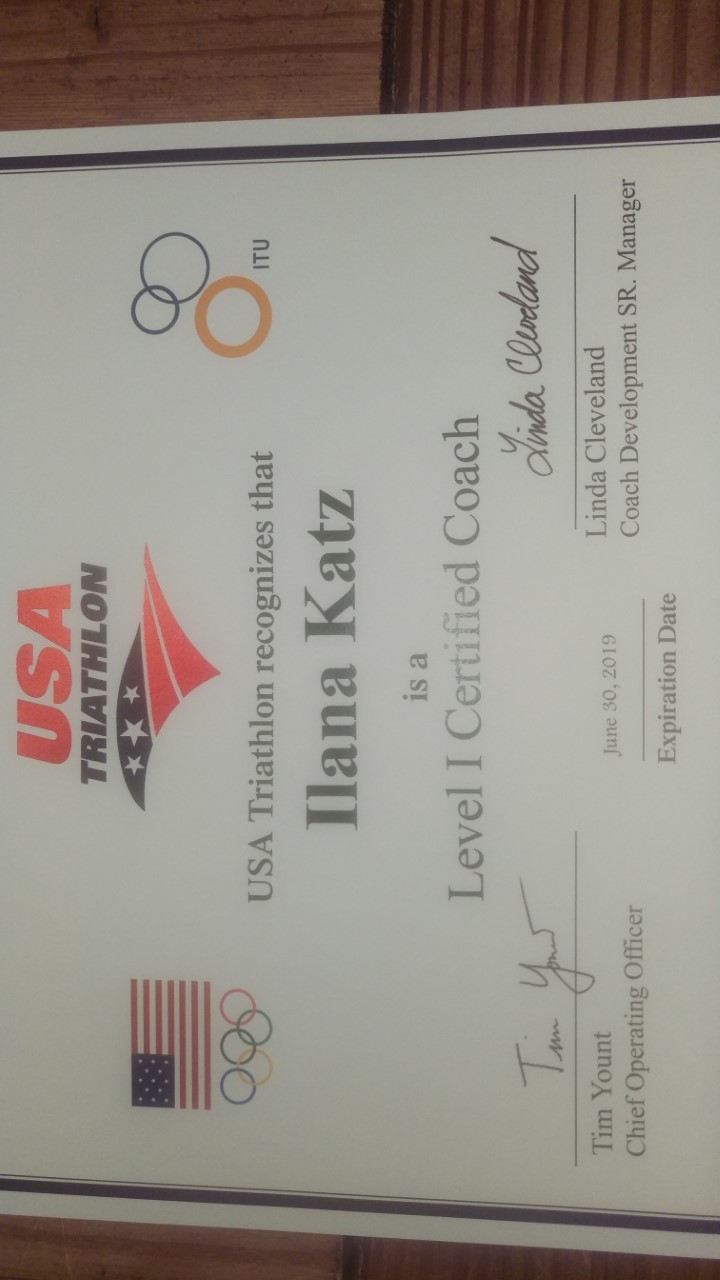
 Ilana Katz MS, RD, CSSD

The difference in energy expenditure between a day off exercise and even an easy exercise day can be enormous. Making small changes even on a daily basis during this time does help compensate for variance in activity factor and caloric expenditure.      

Remain Accountable to Optimal Weight.  Being accountable to weight management during this time may seem unfestive, but that is just the point – do not use the “holiday season” as an all-out excuse. After all, it’s a  holiday, not a holimonth.

 

Plan ahead. Willpower requires boundaries. Create your own boundaries before you even head out the door to temptation. Be strong, give yourself some tough love. Fuzzy lines like “I will stop eating when I am full” does not work. Your boundaries have to be precise and measurable. For example: I will not eat anything fried, I will only drink 4 oz of alcohol.

Use visualization.  Remember last year, when you walked away from a party feeling uncomfortably full and regretful, anticipating those extra pounds you now have to burn off in preseason. Visualize leaving the party feeling proud and liberated about your choices. Visualize preseason training days at your optimal training weight.

Journal

Commit to keeping a food journal and an exercise journal (and for many, a parallel emotional journal is a great bonus). By writing down everything you eat and drink, not only are you self accountable, but you become aware of the hidden calories and fat grams creeping in. Journaling both food and exercise helps you monitor calories in against calories burned. This helps nip over indulgence in the bud. 

Keep Metabolism Fueled

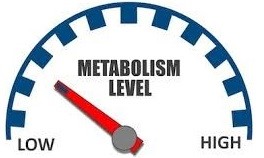
Do not go to seasonal gatherings hungry. Hunger is a strong physiological drive and thus giving in to temptation is highly likely when your brain is not fed. Metabolism is raised when you eat every 2 to 3 hours. Keep up with this philosophy even through the season. Do not save calories for a big festive meal. Have a snack or light meal and drink plenty of water before facing a huge buffet.  Having a full stomach aids in appetite suppression.
Physical Activity

Even with a good nutrition plan, some wiggle room is necessary.  For many, the winter months are considered a time off from exercise. Even if its minimal compared to when your exercise is a focus, just some physical activity will help burn off some of those extra calories.. If you are completely off going to the gym, or outdoor activities, try speed shopping. Lace up your sneakers and move. Before you know it your shopping will be done. If your best laid plans take a hit, remember that it takes at least 45 minutes of high intensity cardio to burn off a small slice of pecan pie.

Put Alcohol into Perspective

Alcohol goes hand in hand with celebrations. Do not forget that alcohol adds calories, in fact per gram, it has more calories than carbohydrates and protein. A 12 oz. beer is equal to 150 calories. A 5 oz. glass of wine, 100 calories, a 12 oz. wine cooler is around 180 calories, and spirits at 80-proof is over 100 calories per ounce and that is minus the drink mixers. One drink a day adds over 1000 calories per week. During the holiday season alone, this means at least 3 extra pounds of fat.

Furthermore, it is not just the caloric density and sugars of alcohol that need to be accounted for. Although Alcohol is considered a carbohydrate, it metabolizes quite differently than food carbohydrates. It is converted to fatty acids with a higher potential of fat storage rather than being converted to glucose, like regular carbohydrates are. In simple terminology, alcohol puts efficient fat burning on hold. If your goal off season goal is to stay lean, stay off the booze.  One way to nip the unwanted fat gain in the bud – nominate yourself to be a designated driver.

Compromise

Never give up your cultural traditions or social aspirations in lieu of your body composition goals. In other words, do not stay away from the party in fear of resisting temptation. Plan out the compromise and go to the party regardless. Remember the adage: The party does not have to be in your mouth. Staying away from temptation altogether may cause you to feel intensely deprived later down the line. Emotional eating is more difficult to control than a few slip ups at holiday parties. As a host, you can always give the tempting leftovers to guests or better yet, take them to homeless shelters. 

 

TRI-COACHING AND NUTRITION PLANS

Any triathletes doing late season races?

Are you looking for a reasonably priced coach, with a sports nutrition background?

I am offering race packages including long training day, taper week/carbo load plans, and race day nutrition with options to include weekly nutrition plans:

Coaching plans with nutrition as an optional add on:

 coaching plans for less than $40 per week

24 weeks customized plans:  $850 (Optional add on: Overall nutrition analysis and weekly meal planning inclusion:  $65/week).

20 week customized plans: $725 (Optional add on: Overall nutrition analysis and daily meal planning inclusion:  $65/week)

Month to month training plans: $175 (Optional add on: Overall nutrition analysis and daily meal planning inclusion:  $65/week)

Nutrition only Plans:

Overall analysis of daily nutrition, and creation of meal plans, including training and racing nutrition:

  • 10 week plan: $545 (For less than $55 per week get an overall nutrition analysis and meal plan structure with 9 follow up sessions (online follow ups via phone, email, skype, etc)


  • Flexible plan: $425 : Get an overall Nutrition analysis and meal planning structure with 5 follow ups to be used as preferred  (online follow ups via phone, email, skype, etc).


  • Precise overhaul: $275 : Get an overall analysis and meal plan structure with one follow up:  $275

For application and more details on what to expect, please contact Ilana

ilanakatz@onforlife.com

Off: 770-458-2127

Cell: 404-226-7723

Low Carb equals Low Energy

We have been  living in a low carb revolution, but thank goodness it is slowly emerging back to normal. Dr. Atkins was one of the for fathers of this phenomenon. One cannot leave out Barry Sears of The Zone fame, either and somewhat more recently, The South Beach diet, and Paleo diet, for the continued population growth of the carb-limiting fanatics. They are still out there, I come accross it in my practice everyday. But with the emergence of more endurance athletes, and triathlon, there is more of a focus on a balanced amount of good carbs with an appropriate amount of good protein, for good reason.

Books like Dr. Atkins, The Zone, Good Carbs, Bad Carbs, and the South Beach Diet claim that we can blame the obesity epedemic in America on carbohydrates. These low carb philosophies claim that certain carbohydrates cause a quick rise in blood sugar which in turn raises insulin levels. They further claim that insulin leads to weight gain by either being a promoter of stored fat or by reactive lowered blood sugar level, stimulating hunger, and thus encouraging over consumption of calories. Unfortunately, it is in our culture to grasp on to quick fixes. Granted, there are metabolic reasons why one can lose “weight” on high protein (low carb) diets, which has thus claimed this carb-restriction revolution. Publishers and marketers knows what sells resulting in the low carbohydrate diets being popularized without detailed evidence of their efficacy or long term safety and athletes are getting caught up in the low carb frenzy. The quick weight loss from limiting carbohydrates is just that – a quick fix. Athletes however, should really take note how surprisingly few scientific-based studies have shown how different carbohydrates affect weight loss. Furthermore, there is no clear evidence that a rise in blood sugar that comes from eating carbohydrates leads to an insulin increase, or that higher insulin causes people to overeat.

Although these quick fixes, regardless of the lack of scientific knowledge, are welcomed amongst significantly overweight, sedentary people, they were not designed to supply the nutrition for active people who need to support exercise and training. While low carb, quick weight-loss results are welcomed, athletes should regard these same “quick fixes” as lost energy. The initial and rapid weight loss from low-carb diets can be explained as glycogen depletion and loss of water weight. Glycogen (immediate source of energy in muscle) in the body is stored with 3 grams of water. So, each gram of carbohydrate energy, then, accounts for 4 grams of body weight. By limiting carbohydrates, glycogen will be used as energy first. For an athlete, glycogen depletion can take as little as a few hours, whereas for a sedentary person, glycogen depletion can take up to a few days.

Once glycogen stores are depleted, the body seeks out fat and protein sources for energy. First it turns to protein, converting amino acids from muscle tissue into glucose in the liver. This process is relatively slow and can produce only enough carbohydrate to fuel the brain and nervous system. Without ingestion of additional carbohydrate, ketone bodies (byproducts of fat metabolism) are produced and released into the bloodstream. A state of ketosis is induced. Ketosis is explained as an increase in ketone levels. Ketones in the bloodstream does suppress the appetite, but is also be accompanied by undesirable side effects, such as nausea, headaches, fatigue, and breath that smells like ammonia. Athletes on low-carb diets have difficulty sustaining even moderate intensity workouts of 50-65% of max heart rates when ketone levels are elevated.

In summary, the low carb philosophies demand a restriction of the very elements that athletes need to powers muscle with energy – digestible, usable, and absorbable carbohydrate. Carbohydrate is fuel for muscles that can be burned quickly, providing the power for acceleration and high performance.

Resources:

1.Advances in Sports Nutrition. Journal of American Medical Association. JAMA 2003;289:1837-1850.

2.How net carbs can hurt athletes. Ashley Kipp. Published on trainright.com, accessed October 2004. 3.Weighing the Diet Books. Nutrition Action. January 2004, volume 31:1.

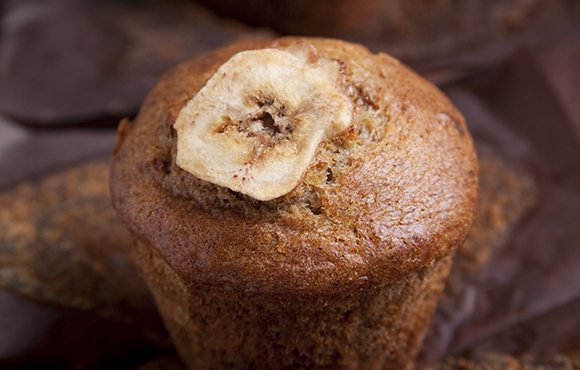
Apple Banana Oat Muffins

Apple Banana Oat Muffin

Ingredients

2 ripe bananas, mashed

3/4 cup brown sugar

1/2 cup all-natural applesauce

1/4 cup almond milk

1/2 cup plain nonfat yogurt

1 teaspoon vanilla extract

1/4 teaspoon salt

1/2 teaspoon ground allspice

1 teaspoon ground cinnamon

1/2 cup whole-wheat flour

1 cup almond flour (or almond meal)

1/2 cup plus 2 tablespoons rolled oats

1 teaspoon baking powder

1/2 teaspoon baking soda

Preheat oven to 400 degrees F. Spray a regular-sized muffin tin evenly with cooking spray.

Add brown sugar to the mashed bananas in a bowl and whisk with fork until well combined. Add applesauce, almond milk, yogurt, and vanilla extract, and stir to combine.

In a separate bowl, add all dry ingredients and stir to combine. Add wet ingredients to dry ingredients and stir to combine (do not overmix to avoid dry and tough muffins). Pour batter into muffin tins, and sprinkle the tops of each muffin with extra rolled oats.

Bake for ~ 20 minutes, or until the center of one muffin comes out clean in a spike. Remove from oven and let cool completely before removing from tin.

(source: Active cook books (Sabrina Grotewold).

Beat the Heat with a Watermelon Treat

Watermelon – not just for seed spitting.

Not only is watermelon is a favorite summer food selection and barbeque closer, it is equally beneficial to health. The antioxidant lycopene is a chemical found in plants that gives certain foods (watermelon, tomatoes, red grapefruit, and guava) their red color.

Part of the large class of plant compounds called carotenoids, which help protect and preserve body cells from oxidation and damage, lycopene may reduce one’s risk of various cancers, particularly prostate cancer. Watermelon is also a good source of antioxidants, that work towards preventing heart disease, lowering cholesterol.

CHOOSING THE PERFECT WATERMELON

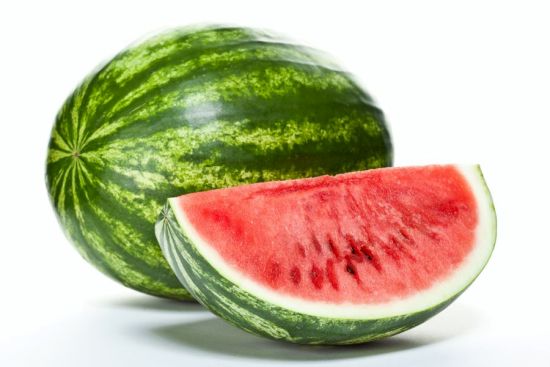
watermelon2

Choose a firm, symmetrical fruit that is free of bruises, cuts, and dents. Pick up the melon, it should feel heavy. (A good watermelon is 92% water.) The underside should have a creamy yellow spot where the melon sat on the ground and ripened in the sun.

Watermelon-Strawberry Smoothie

(16 oz serving)

  • 1 cup seeded watermelon, diced
  • ¾ cup lemon sorbet or sherbet
  • 8 frozen whole strawberries
  • 1 tablespoon lemon juice
  • 4 cubes of ice
  • 1 cup water

Place all ingredients in a blender. Blend until smooth.
(cals; 224, carbs: 50g carbs, 4g fiber (net carbs = 46g (mostly natural sugar: fructose), 2g pro, 0 g fat.

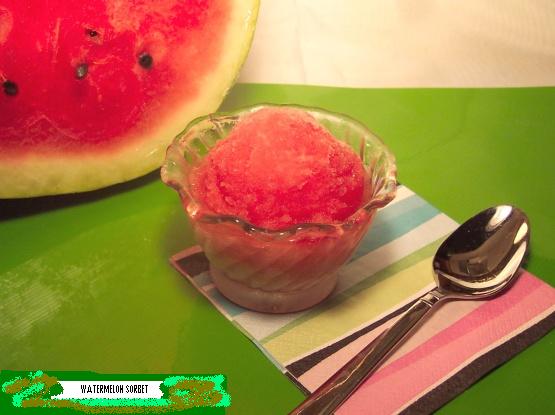
Watermelon Sorbet

1 seedless watermelon (peeled and cubed)

1. Arrange the watermelon cubes in an even layer on a baking sheet and freeze until the watermelon is solid, about 2 hours.

2. In a blender, puree watermelon cubes until smooth

3.  Put the puree in loaf pans or dish, packing it down as you add more on top.

4. Freeze until the sorbet is scoopable, 1 to 2 hours more.

5. To serve, scoop the sorbet into dishes and eat immediately.

watermelon sorbet

Watermelon Parfait

(2 servings)

  • ½ cup low fat granola
  • 1 cup seedless watermelon, cut into small chunks
  • 2 cups of low fat vanilla yogurt
  • 1 sliced banana, sliced
  • ¼ cup of Almond slivers

In 2 tall glasses layer ½ of each of the granola, watermelon, yogurt and banana
Repeat layers with the other half of the ingredients.
Garnish with slivered almonds.
(cals per serve: 230 cals, 4g fat, 9g pro, 35g carbs, 5 g fiber)

watermelon kids