Culinary herbs and spices : Can they interact with your medicine?

Ilana Katz MS, RD, CSSD
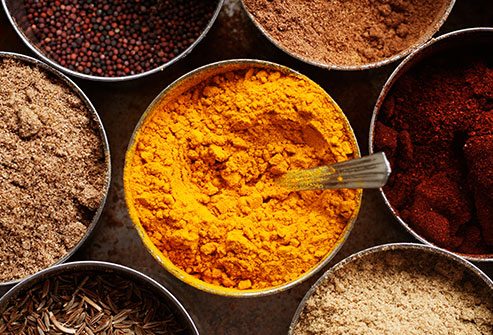
spices

One of the major responsibilities a dietitian/nutritionist may have is to analyze an individual’s intake and ensure most appropriate and healthy solutions to goals and needs.

For people who regularly take medications, even over the counter products, this can become quite challenging.  So then, can some ingredients in various dishes have a pharmalogical interaction?

Specific examples best defines what a pharmalogical interaction is:  Combining a statin drug (most likely prescribed to lower cholesterol) and  a daily dose of grapefruit juice may likely cause too much of the statin to stay in the metabolic system, increasing the risk of liver or kidney failure.  Another example is that certain nutrients in grapefruit juice (and some other juices too) may decrease the effectiveness of some medications, the most well-known in this category is for allergy symptoms.

What then should we be concerned of in multiple ingredient recipes? A tablespoon of this, a teaspoon of that, a dash, a dollop or a pinch…

As a supplement for example, Ginger is thought to remedy nausea or upset stomach and  garlic is reported to reduce risk of heart disease and cancer. But did you know that both ginger and garlic may also slow blood clotting when interacted with an anticoagulant drug such as warfarin or Coumadin. The practioner prescribing the anticoagulant should warn the patient against eating garlic or ginger, and this should also be reinforced by the pharmacist dispensing the anticoagulant drug. But what about these ingredients used in small quantities in many recipes?

It is likely a different story when one compares cooking and baking to supplementation. The amounts in a recipe are typically significantly smaller compared to their use as a supplement. Interactions may lurk in the background but would typically not be clinically significant. Unfortunately there is very little published research on the potential for drug interactions with herbs and spices that are typically used for culinary purposes versus supplements. The research that is available usually focuses on specific compounds in the herb or spice and will usually use concentrated preparations which logistically do not match the culinary amounts.  An example to demonstrate this is an alkaloid called piperine, found in black pepper: piperine has been proven to increase the bioavailability of several drugs yet no interactions have been found with the use of pepper as an ingredient in a recipe. Other examples where research has discovered a drug interaction, yet no significant reaction as a culinary spice are anise, cayenne pepper, fennel, and several curry spices. It thus seems that research in food and medication reactions is complicated with many variables besides the amount used that need consideration.

The variety of the herb/spice, the potency, how much may be taken in throughout a day and over a time period, even specific genetics of the individual in question may determine the metabolic effects of their medications and thus the potential interaction between the herb or spice and their medications.

Mixing a sprinkle of all spice or a teaspoon of cinnamon into a recipe for a dozen muffins or blending chopped garlic into lasagna is not usually a concern for a drug interaction.

Unfortunately there is very little published research on the potential for drug interactions with herbs and spices that are typically used for culinary purposes versus supplements.

However, before taking any supplements, speaking to a physician, pharmacologist or dietitian about potential interactions is recommended.

“It may be a case of the dose makes the poison”  (Paracelsus – a 16th century physician)



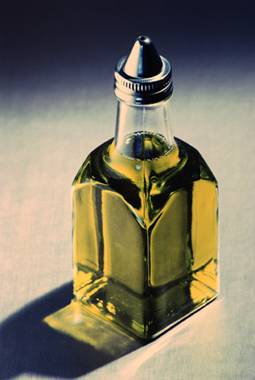
NEED AN OIL CHANGE

Ilana Katz MS, RD, CSSD

There has been much debate about the healthiness of different oils in the nutrition media lately. With the boost on research and essential fats, oils, some of which do offer the good source of fat to our daily intake needs some analysis.  The reason why I want to blog on this is although many have been deemed healthy, depending on whether you use them for cooking or not, may change their chemistry. In other words, heating various oil sources can create free radicals which in turn lead to inflammation. Free radicals are unstable byproducts of the body’s cells use of oxygen to produce energy.

One of the components of immunity is a reserve of antioxidants, helping boost the body’s systems of defense against internal cell damage from free radicals. However, even though the human body has these innate mechanisms that protect against microscopic invaders, the increase in free radicals generated during strenuous exercise may degrade the immune system. Athletes therefore have a particular concern to protect the immune system with antioxidants in their diet.  Another point of concern to keep free radicals to a minimum, believe it or not, is cooking. Certain oils, if heated to above what is called their smoke point (the temperature at which they begin to smoke), also create free radicals. Once a fat starts to smoke, it usually will emit a harsh smell and fill the air with smoke.  Watch out for the smoke point signs as it means that the oil is close to the flash point. Flash point is when the oil will erupt into flames.

Nutrition and health experts have been pushing many healthy oils for many years now, particularly since poly-unsaturated fats, mono-unsaturated fats and Omega-3 essential fats have been shown to increase health and lower cholesterol. But have they warned you of the dangers of heating some of these oils past the smoke point. Many people have a tendency to cook in olive oil, believing that olive oil is one of the good fats. Olive oil, is in fact better at lower temperature uses such as salad dressings and preferably not for heating uses such as frying and sautéing (well, when is frying ever healthy, huh? Couldn’t resist that as my food policing gene is ever present).

Some of the higher smoke points for healthy oil are found in sesame oil and canola oil. Typically most nutty oils have higher smoke points than regular vegetable oils. Smoke points in fact vary rather widely and are affected by various factors. For example, refining oils (taking out impurities) tends to increase the smoke point.


Factors that will decrease the smoke point include:

  • Combination of vegetable oils in products
  • Presence of foreign properties (like batter or salt )
  • The more time the same oil is used
  • Storage of oil (exposure to oxygen, light, temperature)
  • The time the oil is being heated for

The ideal cooking oil should contain higher amounts of monounsaturated and polyunsaturated fats, with a minimal or no saturated fats and trans fats. The best oils for cooking and frying are those that have a high smoking point because they can be heated to high temperatures before burning. Knowing the smoke point warn you about the flash point and fire points. At the flash point, there are tiny wisps of flame; at the fire point a fire is blazing:

Table of some common oils smoke points:

TYPE OF OIL SMOKE PT  (0F) TYPE BEST USE
REFINED
Almond 495
Avocado 520
Canola / Rapeseed 400
Corn 450
Grapeseed 400
Olive 300-400(virgin/extra virgin/light) Mono-unsat
Peanut 450 mono
Safflower 450
Sesame 410
Soybean 450
Sunflower 450 Mono
Vegetable (blended)
UNREFINED
Corn
Coconut
Grapeseed
Nut blends
Olive
Peanut
Pumpkin Seed
Safflower
Sesame
Soybean
Sunflower
Vegetable (blended)

The best oils for deep-frying and high temperatures are refined safflower and sunflower oils, peanut, safflower and soy oils. Refined almond, avocado and cottonseed oil are also great if you can find them, and be warned, they are pretty expensive (should you be deep frying anyway? Here I go, food policing again).

Refining of oils is a process to produce clear oil, free from rancidity and foreign matter. These oils are used as medium cooking oils (225°F – 350°F), high cooking oils (350°F – 450°F), and deep-frying oils (greater than 450°F).

Fully refined oil tends to be paler in color, bleached, and deodorized, with a minimal flavor and/or aroma. Thus these oils are more effective for dishes needing only a delicate and light flavor. They are more useful for baking and sautéing, stir-fry and wok-fry, and oven cooking; to sear or brown.

Unrefined oils are typically called salad oils and are used for salad dressings, marinades, and sauces and only very low forms of heat in cooked dishes (light sautés and low heat baking). Unrefined oils are processed by cold-pressed methods.  Some examples are olive, corn, sesame seeds, peanuts, soybeans, and safflower oils. The strong flavors of unrefined oils can dominate whatever dish or baked good is made with them and are often used as flavoring agents. As a general rule, they should not be heated to high temperatures. One exception is safflower oil, as it is the one unrefined oil that can become hot enough to reach the temperature necessary frying. Unrefined oil contains a full range of bioactive components that have healthful benefits and provide full-bodied flavor.  The strong natural flavor and aroma also hint at their higher amounts of nutritional value. Unfortunately they are more prone to oxidation. Using unrefined oils at temperatures above 320°F accelerates the oxidation of these oils. Best for medium heat temperature range: 212°F – 320°F.

In Summary:

Different fats and oils have different uses. Each performs best within a certain range of temperature. Some are made for high heat cooking, while others have intense flavors that are best enjoyed by drizzling directly on food. How we cook may now be as important as the choice of foods. Some simple modifications may provide positive reduction of inflammation.

Planning Your Meals

thinmanrunmarathon

In my practice,  I find the biggest roadblock to weight loss success is that people do not take the time to plan their day as far as eating goes. So they either wait for meal times, or until they are hungry, and then just see what is convenient to grab.

This sets you up to  either not eat enough during the day, or gorge on whatever is available, or just get the most convenient food which is more than likely prepackaged and processed.

If you take a few moments in the day to plan a grocery list, spend an hour or two a week shopping for nutritious foods (that can be just as convenient), and having these nutritious foods available for eating smaller meals more often during the day – the huge high calorie, high fat, or prepackaged meals can be avoided.

Planning is the best tool for success in any project, and creating a healthy lifestyle and/or weight management is a project too. Planning is not a big deal – in fact, shopping regularly and having the right type of foods available means the planning is done.

Nutritiously dense and calorically low foods that are easy to have around are things like yogurts, string cheeses, whole wheat crackers, ricotta or cottage cheese, wheat tortillas and sliced turkey, carrots and other veggies, V8 fruit and vegetable juices, raw nuts, some trail mixes (not all m and m’s), meal replacement bars, fruits, hard boiled eggs (when ready to eat peel, and discard some of the yolks), hummus (to have with some of these), 100 calorie snack pack to enjoy once a day, such as pretzels, baked chips, etc.

Many of these things can be kept in a mini fridge at work if available, else have ice packs available and pack a mini cooler for a days worth of snacks, and many can be kept in a desk drawer, trunk of the car, if not necessary to refrigerate.

green

Apple Banana Oat Muffins

Apple Banana Oat Muffin

Ingredients

2 ripe bananas, mashed

3/4 cup brown sugar

1/2 cup all-natural applesauce

1/4 cup almond milk

1/2 cup plain nonfat yogurt

1 teaspoon vanilla extract

1/4 teaspoon salt

1/2 teaspoon ground allspice

1 teaspoon ground cinnamon

1/2 cup whole-wheat flour

1 cup almond flour (or almond meal)

1/2 cup plus 2 tablespoons rolled oats

1 teaspoon baking powder

1/2 teaspoon baking soda

Preheat oven to 400 degrees F. Spray a regular-sized muffin tin evenly with cooking spray.

Add brown sugar to the mashed bananas in a bowl and whisk with fork until well combined. Add applesauce, almond milk, yogurt, and vanilla extract, and stir to combine.

In a separate bowl, add all dry ingredients and stir to combine. Add wet ingredients to dry ingredients and stir to combine (do not overmix to avoid dry and tough muffins). Pour batter into muffin tins, and sprinkle the tops of each muffin with extra rolled oats.

Bake for ~ 20 minutes, or until the center of one muffin comes out clean in a spike. Remove from oven and let cool completely before removing from tin.

(source: Active cook books (Sabrina Grotewold).

Carbohydrates for Athletes

pot1

Athletes are well aware that carbohydrates are their main source of fuel, particularly during activity. Seems simple enough, however, the word carbohydrate itself opens a can of worms, worth dissecting. Carbohydrates are categorized as either simple or complex, and complex they are. Simple carbs are also known as sugars, occurring in the form of either a monosaccharide (1 sugar unit) or a disaccharide (2 units). Complex carbs are polymers of simple carbs (many sugar units). The unit referred to, is particularly scrutinized, since it is a functional ingredient in sports drinks and gels. Logically, sports products contain carbs, as mentioned, that is the energy currency, and yes, they are cpresent in the ingredient list in all varieties and combinations. To analyze how these combinations are decided upon, may answer the layman’s confusion as to what may be the optimal sugar for athletic performance?

In reality, there appears to be no major difference on any one carb used in sports products (fructose, maltodextrin, sucrose, glucose, dextrose, galactose) on athletic performance itself, however absorption rate may affect gastrointestinal sensitivities and thus varying combinations may suit individual preference differently. Degree of sweetness may also impact appeal, which often determines whether the product is consumed or not. Here are the facts, in hope that this will help the individual athlete determine his/her optimal sugar?

Factors that affect the absorption rate of the sugar include concentration, volume, osmolarity, and the Glycemic Index of the carbohydrate. Concentration is defined as the energy content (calories) of the carbohydrate in solution. A small concentration of carbohydrate results in rapid travel from stomach to small intestine. The shorter the chain length of the single saccahrides chained together, the higher the concentration gradient. Research has shown that a 6 – 8% concentration of the carbs has an optimal gastric emptying rate. Stronger concentrations in the stomach further attracts more fluids to enter the gastric system, not only resulting in a bloated, uncomfortable, sluggish stomach, simultaneously draws fluids away from the their important function in muscle contraction.

The Glycemic index measures how fast the carbohydrate of a particular food is converted to glucose and enters the bloodstream. Low Glycemic index carbs taken before exercise has been hypothesized to lengthen the carbs availability as a fuel source. There is insufficient evidence, however, a low glycemic index prior to activity does enhance performance. Moderate to high Glycemic Index Carbs consumed during activity raises carbohydrate availability and enhances endurance and performance (1.)

Fructose, is a monosaccharide, and is also the preferred simple sugar that restores liver glycogen. Fructose is also fairly low on the glycemic index tables, and therefore does not have the spiking effect on insulin. These qualities, as well as it being a sweetening agent, favor fructose as a carbohydrate used in sports products. However, it does have a slow gastric emptying rate when compared to the other sugars because of its unique digestive pathway. Sports drinks that contain mainly fructose may cause gastrointestinal distress due to its lower absorption rate. Fructose is also restrictive in that the amount that the body can absorb is limited. Fructose as a solitary carb is thus not the ideal for optimal performance.

Sucrose is absorbed more rapidly than fructose. It is a simple, easily digestible sugar with a mid-range glycemic index. Furthermore its pleasant sweetness and palatability adds appeal. Consumers are often concerned that sucrose, being table sugar, causes weight gain. Certainly in large amounts, as with any other sugar, sucrose may have an effect on weight, however, as an ingredient in a sports drink, used in moderation it has positive qualities as a fuel source.

Maltodextrins because of its low osmolarity and complete solubility is an ingredient found in many sports nutrition products. Osmolarity and solubility refers to particle concentration, and being on the lower end, with complete solubility means less risk of gastrointestinal distress. Maltodextrin is a polysaccharide with building blocks of glucose. Even though the bonds still need to be broken for fuel availability, the process is simple digestion. Glucose itself, requires minimal digestion since it enters the blood stream immediately after consumption, providing an instant source of energy.

Dextrose is a simple sugar with a high glycemic index and thus believed to provide a rapid source of fuel. It is also known to stimulate gastric emptying as well as sodium reabsorption from the kidneys, rating high on hydration strategy. Unlike fructose, dextrose requires no liver metabolizing before getting into muscles as a fuel. Dextrose may add appeal with its pleasant sweetness. It is therefore a positive ingredient for sports products, however caution is recommended for higher glycemic index carb as the solitary ingredient since a sudden high levels of insulin may lead to a rapid, and possibly excessive, transport of blood glucose into the tissues, resulting in low blood sugar.

Carbohydrate sources are often used in sports products to balance out the positive appeal with the negative effects. High glycemic index carbs, such as glucose and dextrose may often been combined with lower glycemic index carbs such as galactose, a monosaccharide that is not digestive intense, will thus reduce the high insulin response, and is just as easily absorbed. Fructose and maltodextrin are often found in combination. Fructose enhances the sweetness of the bland flavorless maltodextrin, and similarly, maltodextrin remove the unpalatable over sweetness of fructose.

Sports products often have fructose as an ingredient because of its unique digestive pathway. So when the other carbohydrates’ saturation levels are reached, the presence of fructose enhances carbohydrate availability. The words “High fructose corn syrup” a processed food component derived from fructose and glucose, are therefore inevitable on a sports products ingredient list. This component is worth mentioning due to the negativity surrounding it, mostly that it pointed to as playing a role in the obesity epidemic. This is unfortunate because any nutrients or foods consumed in unnaturally high doses, is the real reason for obesity. Fructose, and high fructose corn syrup made up of fructose and other energy units in sports drinks in fact enhances carbohydrate availability.

Choosing your sports products can be very individual. Products should be experimented with to find your perfect fit. Factors affecting choice may include duration, intensity, and climate (extreme conditions can alter the gastric emptying rate).

Sugars in themselves will provide fuel to working muscles. An optimal combination would be readily absorbed with an appealing taste. One mans sweet is another mans gastric issue, therefore optimal carbohydrate fuel does not necessarily come from one sugar source but a preferred combination.

peanut butter gu

References:

  1. Burke et al. Glycemi Index: A new tool in Sports Nutrition. Int J Sports Nutr. Dec 1998; 8(4), 401-15.
  2. The truth about High Fructose Corn Syrup. www.poweringmuscles.com.