How to Keep a Food Journal

The number one complaint about keeping a food journal is that it is too much work for your busy schedule or that it makes you think more about food. Both of these are probably true. In the beginning, however, driving a car was a lot of effort. Eventually it became second nature and now you can probably drive while eating. By using either of these tools you can also update your food journal while in your car. (not while driving of course )

Keeping a food journal will help you improve your eating habits. No doubt about it. You can’t manage what you can’t measure. It is an old management adage that is just as meaningful to your weight control. Unless you measure something you don’t know if it is getting better or worse. If we are going to be able to help you with your weight management, we need to be able to see what you are eating and when you are eating it. SO.. we are going to do this thing, let’s make it as easy and fun as possible.

There are various apps on-line that regulate your fitness and food journal. They typically let you track what you eat with a few clicks – almost no data entry and record your workouts in minutes. Some examples are FitBit, MyNetDiary, Livestrong, MyFitnessPal, etc.

TweetWhatYouEat  is another on-line food journal – stripped down to the bare necessities.  If you use Twitter, this is incredibly easy to use.  You sign up with the service and then, using your Twitter account, send a direct message every time  you eat something.   Like this:

DM TWYE 2 eggs, spinach, olive oil

That’s it.  When you go to your TWYE diary, you will see a list of everything you entered.  The calorie counts are “crowdsourced”,  meaning that other users have given “2 eggs” a calorie count and TWYE uses that in your calculation.  If you don’t like the calorie count they used you can edit it.   TweetWhatYouEat gives you a total for the day.
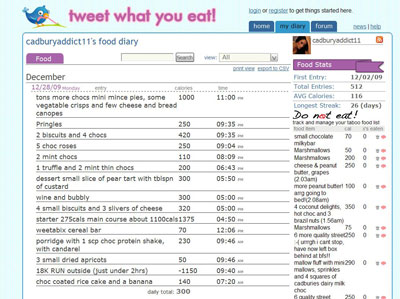
You can use either of these services to send  food logs to your nutrition clinicians, or merely just for self accountability.

If you use Twitter, feel free to follow me on Twitter for our latest tips @ilanakatz.  I try to post neat stuff to share with  Twitter friends frequently.  Or of course Facebook too “Optimal Nutrition for Life – by Ilana”.
Hyponatremia: Signs, Symptoms and Warnings

Ilana Katz MS, RD, CSSD

Hyponatremia tends to be mostly associated with athletes who participate in long duration sports such as marathons and triathlons. Endurance athletes taking in water during training or an event can develop hyponatremia, a potentially life threatening condition that occurs when sodium levels drop to a dangerous low in the blood stream (below 135 mmol/L (of blood). Early symptoms may include nausea, drowsiness, confusion, headache and fatigue. These can quickly progress to seizures, coma and death if not resolved in time. Importantly, athletes are not the only population that needs to be aware of this deadly phenomenon.

Dilution of sodium can result, as mentioned, from over-drinking, but also from water retention (often a side effect of various medications). Sodium can be lost in various ways other than dilution which include urination, perspiration and gastrointestinal distress (vomiting/diarrhea). Furthermore certain medical conditions such as congestive disease, kidney dysfunction and ineffective ant-diuretic hormones are known causes.

Since hyponatremia has usually been associated with endurance sports, those who engage are much more well-informed than in the past, and emergency staff who treat athletic stress conditions are also far better educated to recognize and manage symptoms, and even play a role in prevention. The sports medicine community has been helpful in raising awareness about risks and signs of over-hydration. However, with obvious evidence that there are many other populations at risk for hyponatremia, it is vital to recognize these so that all health care professionals are on the leading edge of avoidance and if necessary, acute care.

Some examples of patients who may be eligible for high alert:

  • Psychiatric patients with a syndrome known as psychogenic polydipsia, meaning they drink excessive amounts of water..
  • Multi-pharmocological patients (especially elderly). Why, well because many medications have potential risks.
    • Diuretics deplete electrolytes, including sodium
    • Antidepressants increase level of antidiuretic hormone
  • Patients being administered intravenous hypotonic fluids: hypotonic fluids contain a lower concentration of sodium than blood and thus excessive quantities at high entry rate can dilute sodium.
  • Tube fed patients: proper fluid levels and electrolyte balance must be continuously monitored and orders adjusted based on results of consistent blood work.

There is also the all controversial sodium debate to consider. Researchers and health practitioners often have opposing arguments as to whether dietary sodium should always be strictly conserved. While lowering sodium is unarguably beneficial for those already diagnosed with hypertension (high blood pressure), increasingly conservative recommendations for the average population is often contested. The argument being that too little sodium can lead to other health problems, the main one being hyponatremia. Interestingly, the dietetic community are in agreement that avoidance of dietary sodium is unlikely to cause hyponatremia. Even a very low sodium diet of 500 – 1000 mg/day should maintain adequate levels under normal circumstances. It is the complexity of what defines “normal circumstances.”

In summary, with regards to controlling appropriate levels of sodium in the blood and avoidance of hyponatremia, not only athletes should be aware of hyponatremic signs and symptoms. For those with a normal blood pressure, eating patterns and water intake should be developed based on clinical judgement, guidelines and scientific evidence.

glass of ice blue


Go with your Gut   –   GI Distress from a different perspective

Ilana Katz MS, RD, CSSD

Since a big part of my work with athletes involves reducing the risk of Gastrointestinal (GI) distress I thought a different perspective of the GI environment and how to nurture it would be rather informative.  The organisms and their metabolic processes themselves, the majority of which live in the colon, are referred to as microbiome and they dramatically effect human health in general, not just for athletism. The microbiome is made up of trillions of microorganisms ranging between bacteria, fungi, viruses, and others., all of which impact the immune system.

The microbiome multitasks between maintenance of immunity, digestion, hormonal and nutrient balance by:

  • maintaining optimal gut flora (by fighting pathogens and embracing working microorganisms)
  • activates anti-inflammatory responses1
  • uptake of hormones2
  • detoxifies environmental negatives (such as drugs, chemicals, unnatural “food” items eg. artificial sweetener, sugar alcohols, etc.)1
  • synthesizes essential nutrients (particular to the gut are biotin, folate and vitamin K)1.

Inflammation and digestion, and most other functions mentioned above, differs greatly between individuals, and is mostly influenced by stress, age, past infections (antibodies), gender (and within gender experience of natural birth, breast feeding, etc.), medications, lifestyle habits (smoking, alcohol, etc.). and most importantly, diet3.

It is thus safe to say that almost every chronic (and probably acute too) inflammatory response is affected by changes in the microorganism composition of the gut. There is no blueprint for an ideal breakdown of gut microbiome but the diversity of the microorganisms has shown an increase in symbiosis – the mutually beneficial relationship between them.

Lower level symbiosis results from higher than necessary caloric intake, highly processed foods, saturated fat, refined sugar, and soda (chemicals) whereas microbial diversity and therefore increased likelihood of positive symbiosis result from dietary intakes such as coffee, tea, red wine, fruits and vegetables, nuts and buttermilk.4   Stress would be the biggest contributor to low diversity and reduced symbiosis as well as high triglycerides, irritable bowel symptoms (diarrhea) and intestinal inflammation.5

In research on dietary effects of microbiome, the summary states that eating plant-based foods and nuts are related to reduced bowel inflammation and aid in healthy cholesterol management5.  The typical American diet of low earth based nutrients, high saturated fats, high refined sugars and high in processed animal proteins negatively reduces gut microbial diversity, symbiosis and overall gut health.

So what is it about the earthy foods that assist in a positive microbiome? Simply, the content of fiber. Why? Because although fiber is the undigestible carbohydrate for humans it provides the gut microorganisms with essential “food” for them to produce enzymes. These enzymes in turn, breakdown these undigested carbohydrates in process of fermentation.6 Fermentations’ end-product is butyrate, the preferred food-source for cells in the large intestines. The healthier cells are then able to maintain the intestinal wall health, reducing risk of other major chronic disease states such as colon cancer, colitis and Crohn’s disease.

Why then are people with a diagnosis of inflammatory bowel diseases (IBD) like Crohn’s and colitis advised to keep their diet lower in fiber?  It may be a case of which came first, their dysbiotic colons, or the fact that fibrous foods can cause abdominal pain, bloating, cramping, diarrhea, and obstructions.7   Symptoms of IBD could then be reduced by limiting fiber however the vicious circle of health impacted colon and dysbios will ensue. It is therefore in the best interest of a person struggling with GI distress to seek professional help within the dietetic realm to work on tolerance of fiber. Because GI distress should not mean a low fibrous diet, dietitians will often teach such patients to increase fiber progressively, maintain excellent hydration processes and learn new techniques such as juicing, blending, other cooking methods to pre-breakdown tough fibrous skins of earthy produce, and removing completely undigestible seeds.

So far, I have focused mostly on the digestion of fibrous carbohydrates. But when talking about microbial flora it is important to consider that some undigested animal protein lands up in the colon too. Unlike plant based proteins, the fermentation of animal protein does not result in butyrate and the formation of healthy enzymes, instead they are fermented by colonic bacteria and produce potential toxins such as ammonia, and hydrogen sulfide.8    These toxins inhibit butyrate formation that would otherwise protect the colon lining from harmful entry of microbial invasion. The toxic gases thus increase inflammation responses further risk GI distress and chronic bowel diseases.  Not only do they inhibit the growth of anti-inflammatory bacteria, but they also support the growth of pro-inflammatory bacteria3.  Furthermore, hydrogen sulfate results in foul smelling gas, a common side effect of high protein, low fibrous diets. From a dietetic standpoint, if the diet is high in meat, by simply adding a variety of colorful, and fibrous vegetables could reduce the protein fermentation.

In summary, whether you are an athlete looking to reduce the risk of gastrointestinal distress while training/racing, or an individual wanting to reduce irritable bowel syndrome, or just an individual trying to keep the gut healthy, diet is the major factor determining microbiome make-up. The best diet for a healthy flora in the colon is simply a whole food diet with a variety of non-processed macronutrients (fibrous carbohydrates, lean protein and unsaturated fat), favoring plant-based more than animal proteins, non-excessive alcohol (favoring red wine) and the elimination of refined and processed sugars, artificial sweeteners and sodas.

References:

  1. Gut Microbiome for health. http://www.gutmicrobiomeforhealth.com/en/about-gut-microbiome-info/
  2. Camilleri MD., Serotonin in the Gastrointestinal Tract. Curr Opin Endocrinol Diabetes Obes. 2009 Feb; 16(1):53-59.
  3. Brown K, et al. Diet-induced dysbiosis of the intestinal microbiome and effects on disease. Nutrients. 2012;4:1095-1119.
  4. Conlon MA, Bird AR. The impact of diet and lifestyle on gut microbiota and human health. 2015;7:17-44.
  5. Zhernakova A, et al. Population-based metagenomics analysis reveals markers for microbiome composition. Science. 2016;565-569.
  6. Rose DJ, et al. Influence of dietary fiber on inflammatory bowel disease and colon cancer: importance of of fermentation patterns. Nutr Rev. 2007:65:51-62.
  7. Limdi et al. Dietary practices and beliefs in patients with IBD. Inflamm Bowel Dis. 2016:22:164-172.
  8. Yao CK., etal. Insights into colonic protein fermentation and its health implications. Ailment Pharmoco ther. 2016;43:181-196.

Metabolic Effects of Alcohol

Alcohol is one of those controversial topics that I often get asked about from a sports dietetic point of view. In short, my opinion is that alcohol is certainly a favorite mood-altering nutrient and it therefore has both pleasant and unpleasant effects. Many athletes use a nice cold brew as both a relaxant before a big event, or a celebratory tradition after. So my opinion is “moderation y’all, moderation”. What I think most are really seeking, is the science behind how appropriate my opinion really is. My intention in this article therefore, is to weigh up both the healthy and unhealthy aspects and then let you decide whether it is an appropriate mood altering choice for your athletic performance.

Although many researchers have proven that there may be benefits in a drink a day, for those on a fat loss mission, alcohol is probably one of your worst enemies. Having studied the science myself, I can certainly accept that a glass a day can reduce high blood pressure and therefore also reduce the risk of heart disease. Furthermore, the antioxidant content in red wine for example, could not only combat oxidative stress from athletic training, but could also contribute to a stronger immune system. It is human nature to focus on these aspects when finding a framework for debating alcohol’s positives, however keep in mind the following when prioritizing your goals:

Alcohol and weight loss:

Alcohol does have calories – in fact it has more calories per gram than both carbs and protein, and it also metabolizes similarly to fat, allowing for storage rather than a fuel source. These calories are therefore referred to as “empty”. This is besides the high calorie, pure sugar drink mixes that more than often offer a platform for alcohol to presented in. So if you are exceeding the moderation recommendation above, you are probably sabotaging any fat loss plans, moreover, not using optimal fuel while alcohol is present in your system.

To clarify this more scientifically, your body typically gets energy from calories found in macronutrients (like carbohydrates and fats) that digest in the gastrointestinal organs. When alcohol is consumed however, it gets first dibs on the liver, meaning detoxification becomes a priority and digestion takes a seat in the waiting room. The alcohol molecules diffuse through the stomach wall as soon as they arrive and with its speed racer absorption rate, they find the brain and liver in no time. The liver prioritizes detoxification over digestion, placing all of its attention on the alcohol. Carbohydrates and dietary fats which would normally be required for energy now have an opportunity to be converted into body fat, and carried away for enduring fat storage.

This reaction can be somewhat slowed when food is also present in the system. This is also the reason why the mood altering can take longer when drinking with a meal rather than straight up. However, even if the content passing through the gastrointestinal tract is a mixture of food and alcohol, the alcohol grabs first place in the absorption race, arriving at the liver first, demanding the detoxification to subdue the digestion.

Not to mention that alcohol tends to lower ones inhibitions and will power, which can be detrimental to discretionary food choices. Alcohol actually stimulates your appetite. While you might be full from a comparable amount of calories from food, several drinks would not fill you in to the same extent. In this state, one is more likely to overeat, especially foods that seem to have an absorbent reputation, such as greasy fried food.
Many foods that accompany drinking (peanuts, pretzels, chips) are salty, which enhances thirst, encouraging even more drinking. To avoid overdrinking, for every serving of alcohol, you also get one full glass of water in between.

Many athletes prepare for the extra calories of a drink or two prior to a race, by saving calories to enable this. Skipping meals is a bad idea, it will cause a delay in energy absorption, particularly while preparing for an endurance event. Drinking on an empty will only enhance the negative effects of alcohol. Furthermore, allowing oneself to be hungry, may result in grazing on extra calories. If you tend to save calories for some looming drinks, include some extra calorie burn in your taper, instead of missing meals.

Alcohol causes dehydration:

For those swearing by the relaxant benefit of a drink the night before a race, never forget that alcohol is also a diuretic. This means that it causes water loss which ultimately results in dehydration. Water loss results in a loss of important minerals required for performance, particularly the electrolytes such as magnesium, potassium, and calcium. Not only are these minerals vital to the maintenance of fluid balance, but many chemical reactions use them for muscle contraction, relaxation and repair.


Alcohol and sleep:

Okay, so the drinks may actually induce some highly recommended sleep pre-race, I will give you that, but sleep induced by alcohol is often too light. Ultimately, as a result, you may think you are getting some sleep, but you are actually getting less rest.

Alcohol and organ distress:

I have a lot of athletes that seek advice on GI distress. This is a good time to point out that alcohol can also increase the amount of acid that your stomach produces, causing your stomach lining to become inflamed. Besides this extrapolating the chance of distress during athletic performance, over time, excessive alcohol use can lead to serious health problems, including stomach ulcers, liver disease, and heart troubles.

Is one drink better than another?

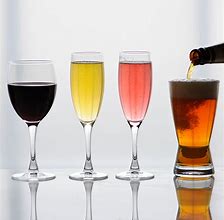
“So if I am going to have a drink, which are preferable?” is another question I get asked more than often. I like to put this in perspective of what is more important, the calories or the carbs? Most think of straight liquor as low in calories because it has no other nutrients, like carbohydrates in it, whereas drinks like wine, beer or mixers do contain carbs. Remember that it’s the alcohol itself that is calorie dense, yet valueless in nutrients (at least the carbohydrates have some energy fuel burning capacity). Alcohol has 7 calories per gram, carbohydrates have 4. And mixed drinks can have even more empty calories in the mixer, besides the alcohol. So to summarize this point, straight liquor contains approximately 100 calories per shot and that’s without the mixer. If you are calorie conscious, it would be preferable to mix liquor in a diet or club soda, instead of fruit juice, regular soda or sugary premade mixers. The sweeter the drink, the more likely it is to have more sugar, whether its liquor or wine, or mixed drinks. In that respect, dry wines usually have fewer calories than sweet wines. Straight liquor has fewer calories than mixed drinks. Beer and wine have some nutrient benefit in their carbohydrate content. So pick your own poison.

Summary:

Although we can certainly debate that alcohol has some health benefits, we can also see that those with body composition goals or performance targets (or even both) should focus their debate on their priorities. Defending alcohol for the role it plays for you, is one thing, but always keep in mind the flip side to that defense mechanism. And if you do decide to partake in some indulgent traditions, here is a comparison of some drinks that can aid in goal oriented decisions:

Drink Serving Size Calories
Red wine 5 oz. 100
White wine 5 oz. 100
Champagne 5 oz. 130
Light beer 12 oz. 105
Regular beer 12 oz. 140
Dark beer 12 oz. 170
Cosmopolitan 3 oz. 165
Martini 3 oz. 205
Long Island iced tea 8 oz. 400
Gin & Tonic 8 oz. 175
Rum & Soda 8 oz. 180
Margarita 8 oz. 200
Whiskey Sour 4 oz. 200

How to Form Lifestyle Habits

Ilana Katz MS, RD, CSSD

Challenges are embraced, and once decided upon require the extra effort to ensure getting to the finish line. Does your resolve weaken before success? Do you risk stalling?  Do you focus on outcome instead of process? Do you consider yourself an “all-or-nothing” individual?  If you answer “yes” to either of these two questions, you may need to make more of your efforts habit-forming rather than forced.  Athletes who are consistent with good habits are the most successful.

Athletes, or anyone for that matter, sustain momentum by embracing small, frequent victories.  The all or nothing mentality tends to trigger disappointment time after time, because of interruptions and interferences beyond individual control  (for example, you backed your healthy, pre-planned lunch that fits into your new eating goals but at lunch time, you find someone stole it out the office fridge).

Successful habits worth forming:

  • Become a morning exerciser: after hours exercise more than often does not happen. Schedules change, family, social and work obligations shift constantly. Research has proven that people who make exercise first thing on the agenda get hooked on the feeling of accomplishment before the rest of the world wakes up. Furthermore, the morning workout  results in a rush of endorphins.  
  • How to make this routine: Progress from just a couple of mornings a week. Knowing you can “sleep in” some days, makes getting up on the days you have committed to, much easier. Routine includes the night before: Get to be early enough the night before ;  Lay out your gear (all of it, clothes, sweaters, fuel belts, water bottles, etc); set coffee machine on automatic (something to look forward to); put the alarm out of reach.
  • Become buddy accountable: find a partner in crime.  Nothing keeps you from pressing the snooze button knowing someone is relying on you.  Furthermore, having social time with your besties, while working out together makes it fun.
  • Be Patient:  All new behaviors can be out of your normal depth at first. Habits require resetting the body clock and planning for the time before they stick.
  • Eat more color: Nutrient packed fresh earthy food are not only low calories, but their high-quality carb sources power workouts and daily living. Their anti-oxidants and other micronutrients (vitamins and minerals) keep the metabolism working at its best.   How to make this routine  Don’t choke down the so-called superfoods just because they are super, rather make sure they are your super. Pick up the produce that you actually like and want to eat, even if it’s more expensive or not as much of a superfood as the well-known ones (like Kale, acai, beets, etc).  When you buy these foods, plan them into your meal plan, don’t just let them turn bad because you couldn’t find a recipe that calls for them. Smoothies are a great alternative.
  • Snack Smart: Trade high calorie snacks, like chips and candy, for high nutrient snacks, like fruit, vegetables and healthy fats. Some great examples are carrots and hummus, apples and nut butter, tuna on cucumber slices, edamame and egg whites scrambled in a cup.

  • Cook at home more often: research shows that two or more restaurant meals in a week can add up to an extra 5 pounds of body fat per year. Master some easy kitchen basics for starters, without needing to turn into a top chef. You will be amazed at how controlling your own food choices helps you feel in control of life stressors in general, including your budget (cooking at home is always cheaper!). Some easy ways to make this routine is to look for quick easy cooking videos online; gear up your kitchen with the basics (knifes, cutting boards, pots and pans, Tupperware, and common ingredients like herbs & spices, olive oil and salt & pepper).
  • Take time to research motivating recipes:  you can often find restaurant favorites in recipes online or at the very least, something similar. This way you will control the caloric and fat intake as you prepare your favorite dishes yourself. Plan time in your schedule to shop and go to the store with a list, stick to it.

  • Get enough sleep: Sleep may be the one thing that has the most impact on making challenging actions routine. Everything seems unreachable on a sleep deprive mind. Sleep allows the recharging organs, repairing muscles and releasing hormones for rebuild, strength and nerve connections.  Lack of sleep has been linked to every limitation you can think of (low energy, injury, moodiness, weight gain, dis-ease and disease, to name a few). Most adults require 7 – 8 hours every night. Easy ways to make this routine include declaring bed time sacred; unplug all electronics, prepare for “night time” ahead of time by dimming the lights, closing the curtains, put on PJs, stop eating, eliminate the caffeine
  • .
  • Eat breakfast everyday: glycogen, your first source of energy, gets used up during the night keeping your body functioning, so you are typically waking up on an empty tank. Breakfast is replenishment as well as setting the tone for a healthy day. Studies shows that breakfast eaters can accomplish optimal body composition easier than those that starve all morning. To make breakfast a habit, start off with something small, even if it’s just a piece of fruit and then begin to balance it out with some protein or good fat like a few almonds, nut butter, Greek yogurt. Think outside the box of traditional breakfast foods (anything is fair game, even leftover salmon and quinoa from last nights’ dinner).
  • Pre Prep meal plans and meals: – spend a low activity day preparing a weeks’ worth of food (particularly breakfasts0, from overnight oats, or using a slow cooker to cook once, eat multiple times.
  • Move More: Even athletes sit on their butts most of the day, especially those with day jobs. Making an effort to stand and walk during working hours reduces the risk of tight muscles, injuries, bad posture, weight gain, etc.  Making moving around a habit by keeping track with an activity monitor (such as pedometer, apple watch, fit bit, etc).  Use the tracker to look beyond daily goals of a set step count like never allow more than a two-hour period of sitting. Remind yourself by setting alarms on your phone or computer to stand and walk around the room at minimum. Some ideas are to stand and greet anyone that enters your office, pace while on the phone, hover in the back during a meeting (if appropriate of course).
  • Treat yourself to a rest/break day. Have a day in the week that you can look forward to. If you have developed a great habit of a consistent work out and eat well routine, find the pleasure in something you love as a treat. It helps to not indulge everyday, as well as provides the energy for constant motivation. A rest in the workout routine enhances recovery and reduces injury. A break in eating perfectly allows keeps the habit of a healthy lifestyle to stick. A great definition of “D.I.E.T” is Don’t Indulge Every Time

In conclusion:

Habits are brain behavior hacks. Make them ingrained and they will turn to auto-pilot mode.   Respect your “WHY.” Write it down and monitor and embrace the benefits. Schedule your “WHY.” Block time in your calendar for your new behavior. Blab about it by asking friends, family and supporters to hold you accountable and even go as far as join you in your quest for habits of success. And finally, make sure your surroundings support your efforts by removing triggers of your bad habits to make the new ones visible and possible.