Miraculous Magnesium

The USA has the highest rate of dairy consumption, yet it also has the highest rate of osteoporosis. Does this not seem preposterous? It was this observation that got me reanalyzing some metabolic pathways involving calcium. During this research, I also noticed a high percentage of my clients that report calcium supplementation recommended by their doctors. I certainly agree that calcium supplementation has its place in our diet, but only if calcium sources are limited. How I arrived at this premise is described here, and it involves a trace mineral called Magnesium.

Magnesium, as micro as it is, has a major role in bone health. One of the most relevant to, is that magnesium controls calcium metabolism. In fact, there is a very fine line between calcium overdose and magnesium deficiency. Why? Calcium relies on magnesium to be metabolized. This means that too much calcium or calcium toxicity, as it is known, can further deplete magnesium by pulling it away from its regular function, in order to be metabolized.  Excess magnesium does not build up in the body. What is not needed is eliminated.  Magnesium can correct a calcium deficiency as well as a magnesium deficiency, BUT excess calcium depletes magnesium.  Moreover, excess calcium is detrimental to bone health and a myriad of other disorders (eg. calcium deposits cause kidney stones, gallstones, arthritis, etc.) Logically, this would mean a supplementation for magnesium would be more relevant than a supplement for calcium.

Contrary to customary belief, magnesium deficiency is more common than calcium deficiency, even amongst individuals that are disciplined about supplementation. Part of the problem is that calcium supplementation seems to be prioritized, and if there is excess calcium it will exhaust the magnesium availability. As mentioned, excess calcium is not excreted, and thus a toxicity of calcium is more likely than a deficiency, especially if the need for supplementation is avoidable through diet. Funnily enough, the symptoms of calcium build up, kidney stones, gallstones and arthritis, seemed to be relieved when a magnesium supplement is taken.
Other Functions of Magnesium

Magnesium is responsible for hundreds of metabolic pathways. So besides its control of calcium absorption, it enables specific digestive functions, muscle function, regular heart beat, new cell formation, and nervous system stimulation. Based on these few mentionables alone, it is evident that a magnesium deficiency can disrupt balance in bodily function.

As a sports dietitian, I cannot forget to mention that magnesium regulates the other electrolytes, potassium and sodium as well. From personal experience, most athletes are inclined to consume products high in potassium and sodium to improve performance, prevent cramps, and prevent serious sports mishaps, yet magnesium is hardly mentioned.  Did you know, without magnesium, the other electrolyte functions are inadequate? So in a sense, magnesium, is a limiting factor to any electrolyte pathway, and is therefore almost more important than the ones it regulates. Furthermore, magnesium has a key role in overall energy levels, as it is responsible for individual cell formation. Thus a deficiency will not only result in chronic fatigue, but it may also contribute to “hitting the wall” during training and/or racing.

Magnesium and calcium work together to control muscle movement, and this includes the heart (as the heart is a muscle). Magnesium deficiency or excess calcium thus results in cramps, similar to potassium or sodium imbalances. Irregular heartbeats are also a symptom of a magnesium deficiency. Did you know, one of the first lines of treatment for a heart attack, is a shot of magnesium? It should now make sense as to why that is appropriate.

What depletes and/or enhances Magnesium

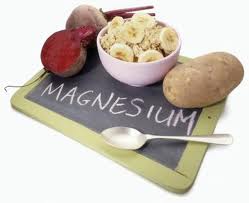
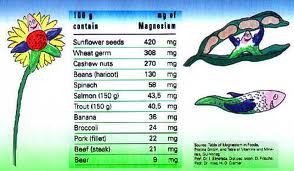
It has already been observed that an excess of calcium depletes magnesium. This is particularly evident when calcium is supplemented unnecessarily.  Magnesium is water soluble and is thus best assimilated into the body when dissolved in water. It is also best taken or eaten, so to speak, without a source of calcium simultaneously. The most natural and bioavailable sources of magnesium come from food. Food sources high in magnesium include: dried apricots, avocadoes, whole grains, dark leafy greens (spinach, kale, etc.), legumes (peas and lentils), and nuts (best sources are almonds and cashews).  Because magnesium is water soluble, and any unused excess is easily excreted, taking a supplement is not a bad idea. Particularly if some of the above mentioned symptoms are experienced.

In Summary

Although there is a push to get enough calcium, it is important to understand, more is not necessarily better since magnesium is depleted by an excess of calcium. Magnesium has a major role not only in human metabolism, energy, heart health, and bone health, but also in sports performance. It plays a role in hundreds of metabolic pathways, and if these function efficiently, it puts less strain on the body’s internal stress. Without Magnesium, many minerals and nutrient functionality will be limited.  So many months or even years of chronic suffering can easily be eliminated if the bottom line is a magnesium deficiency. It is relatively harmless to supplement (remembering too, that more is not necessarily better, but appropriate supplementation can be miraculous). It sure is worth a try.
 

THE KETO DEBATE FOR WEIGHT LOSS

Ilana Katz MS, RD CSSD

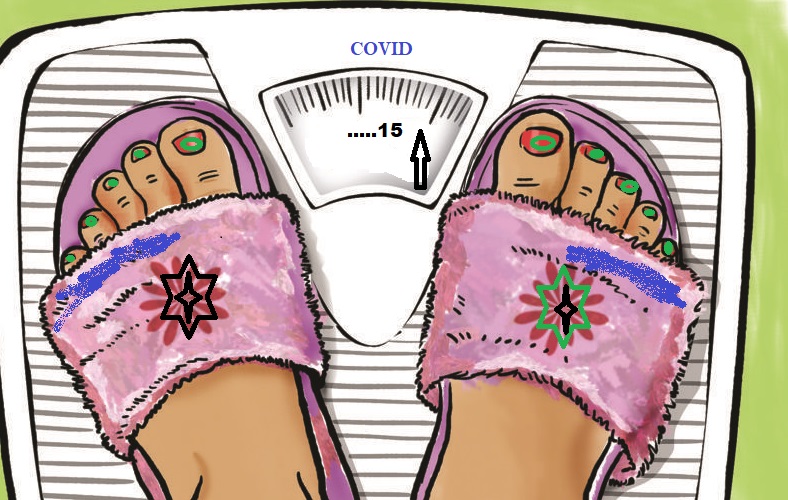
I recently revisited a movie “Sleeper” (Woody Allen) since there was something interesting in the concept about a man waking up after a 200 year sleep. Recommendations for weight loss looks very different in that 200 year gap.   On awakening, the sleeper finds that not only are deep fried foods good for weight loss, they are also considered healthy.  An AHA moment. perhaps? Are we in a movie? Covid may make it feel this way, but weight-loss these days has a movie-like feel to it too, right?  Could Woody Allen have been onto something? (or not?)

Are you one of those feeling so confused about using keto for weight-loss? What is real science versus pseudo-science? In my field of work, it is not surprising that the average person is feeling failed by doctor’s not being able to hone in on the solution.  It is unfortunate that nutrition is an area of so much misinformation which can make a huge difference to an individuals’ health and body composition goals.

A current weight-loss trend is very limited carbs (high protein and fat) and we all know someone who claims to be a poster child for ketogenesis, even boasting about lab work numbers being in normal limits. That sounds positive right?   Well, throwing a spoke in that wheel – it may not be as good as all that… you can also lose weight with Adderall and Phenetamine and get lab work normalized (for a few weeks) – this does not mean it is healthy.

Interestingly enough, the high protein diets that advise on limited carbs do have some science that makes sense, and this can be enticing for both weight-loss and health (and hereforth are some points to consider):

The average diet IS TOO HIGH in carbohydrates

Analyzing the TYPE of carbs: yes, absolutely elimination of simple sugars, processed flours and grains (where most of the fiber and nutrition has been removed ) will evoke best results.    What most of these have in common is their rate of absorption into the bloodstream promoting insulin to accelerate the conversion of calories to fat. So of course there is a benefit of removing the inappropriate carbohydrates, but to replace them with unhealthy sources of protein and fat, so that insulin response is blunted, may be dangerous solution for many.

Reducing simple carbohydrates works, and replacing them with fibrous, nutrition-dense foods such as unprocessed grains, fruit, vegetables, and legumes rather than saturated fatty meats and fats works for weight loss. Firstly, fiber can make one feel fuller and prevent over-eating. Secondly these whole food options contain more nutrients and anti-oxidants for metabolic pathways working more effectively, with the added benefit of reducing risk of heart disease in the long term and with anti-cancer and anti-aging substances to boot.

Physiologically – fat as brain fuel reduces fat mass

Using stored fat can certainly reduce body mass. Furthermore, the lab work related to fat burning can certainly make it look like cholesterol numbers can be lowered and that obesity can be reversed.  However, these enticing results are short-lived for most people.

For one thing it is very difficult to find food choices that are satisfying by eliminating carbohydrates. Some may argue that they have done this for multiple years, and that may be so, but not that many people enjoy a lifestyle with no variety. One of the main criticisms however, for those arguing they are able to sustain this as a lifestyle, eat too much protein and poor quality fats with very limited nutrient-density.  Most people feel tired in the beginning also presenting with bad breath, sleep problems and gastrointestinal distress (nausea, constipation) – some of the reasons why sustainability is short-lived.

Secondly, the reduction in vitamins and minerals may cause metabolic pathways to be less efficient in the long term. Most of our multi-vitamins come from the color in food, as in vibrant reds, purples, greens etc., of fruits and vegetables, and the complex B vitamins from grains and legumes. Meat and fat lower the capacity for the removal of bad cholesterol since they have no fiber.

Bad cholesterol and Blood Glucose labs can be normalized

The reversal of disease in the first few months is because of the physiological weight loss, but after a period of time, the lack in nutrient density and fiber will typically re-reverse those numbers. Furthermore, the metabolism of fat and protein in excess requires more toxic by-products of the metabolism to be removed (the ammonia from excess protein, is very hard on the digestive organs, liver, pancreas and the waste removal organs, the kidneys.  People with kidney disease have to be extra cautious as their health may deteriorate.

Supplementation can provide the missing nutrients on low-carbs (or can they?)

Supplementing a high protein, high fat, very low carb diet is certainly recommended because of the lack of these from food. But I call this expensive pee! Even the very best, highest quality brands of supplementation at best are only 45% bioavailable, whereas real food is closer to 90 plus percent bioavailable.

Research has discovered fat is good

Since the beginning of the first low carb revolution (and I say “first” because we tend to cycle through high protein/fat revolutions and we are currently  in a new wave of that again) more research has highlighted the benefit of fat in our diet.

There certainly is solid evidence that keto diets are positive for certain conditions, such as seizures, Alzheimer’s, Parkinson’s and even brain cancer but when it comes to weight loss, it may be more important to remember that rapid weight fluctuations (or yo-yo effect) can result in increased risk of chronic diseases.  It has also shown favorable results in blood sugar control for type 2 diabetes patients. But again, there is a limited access to studies that are long term enough analyzing these effects.

The take-away message is not that all fats are bad, but as an average population, too much of it, and not enough of the GOOD fats are consumed.   Focusing on essential fats (omegas) and poly and mono-unsaturated fats versus saturated and trans-fats, just like healthy carbohydrates, can also contribute to reducing risk of heart disease, certain cancers and encourage weight loss.  Fat has more calories per gram than carbohydrates, so focusing on recommended amounts with a focus on the fats that promote health can reduce overall calories eaten in a day.

In summary, it should become obvious that science can aid in eliminating so much of the conflict in the media hype revolving around nutrition. The longer term studies on very low carb diets are short lived mainly because true ketosis is a difficult plan to follow, so while you may find some studies enticing you with terminology such as “long term studies prove keto to be healthy” – be careful of how long-term is defined in any particular study. Most studies do not project results past 6 months to a year at max., mainly because most subjects cannot eat this way to sustain a real long-term result.

The best advice for weight loss is to adapt to a sustainable plan. Balanced, unprocessed foods rich in nutrients (fruits and vegetables) lean meats and fish, whole grains, nuts and seeds, essential and unsaturated fats as well as optimal hydration, has provided the best evidence for a long, healthy life.

Make Weight Loss for Your Overweight Child a Family Affair

farmerObesity can be a huge obstacle in a child’s development, both physically and emotionally. Children suffering from obesity can experience isolation, bullying, or poor self-image in their relationship with their peers. This can also be a fundamental detriment to a child’s ability to maintain a strong and healthy relationship with their family. Because of the emotional, physical, and familial on the line, making your child’s weight loss a family project is not only a good idea, it is nearly critical to your success.  This guide will help you get both your child and your family in shape.

Kids can be very competitive. Whether they are competing with a sibling for rights to the front seat or battling it out with a friend in a video game, children, like adults want to feel the thrill of victory. One way to help them feel enthusiasm and zeal, instead of rebellion at the prospect of losing weight is to create a family competition. This way it will be about family goals and the child doesn’t feel isolated by their obesity. Since other members of your family may not need to lose weight, find goals and projects that they can work on in order to make this a true competition.

The Keys to Success

  • Get everyone involved in the competition.

For example, if one child needs to improve their grades in math, make it a daily objective for that child to focus on practicing and studying different math exercises and practice tests, in addition to regular homework. A goal such as this, long term and focused, will be a perfect correlation for a child struggling to lose weight. For, as one child is exercising, the same time frame can be utilized for the other child to study.

vege1

This helps take away some of the pressure and focus, real or imagined, the teen might feel weighing upon them. Many people, not just children, feel as if others are often focused negatively on their bodies when they are overweight. This belief can be a psychological obstacle you can easily eliminate for them. Plus, the need to study is an actual and necessary need. Not just busy work. And the educational benefits create an equal importance in terms of emotional reward for the sibling.

  • Make the reward a bonus, so that the child doesn’t feel punished if he or she fails to meet the goal in the appointed time frame.  If your child is unable to reach his goal completely, it is important that he or she doesn’t feel devastated. After all, any weight loss is a huge step in the right direction. Allowing the child to feel like a failure because they somehow fell short of the ultimate goal is like taking a giant step backward over a cliff and freefalling. In fact, your child may ultimately feel as if he or she never wants to try to lose weight again. Or worst,  go on an unhealthy binge.
Atlanta Nutritionist – Ilana Katz – can ensure your family is on the road to success with weight loss.

run1

Change Nothing and Nothing Changes        

Ilana Katz MS, RD, CSSD


It is now evident that COVOID virus has changed our lives. For some this is drastic and for others, although it is certainly a new normal, it may not be as devastating.  But without doubt, it is different for us all.  Why not use this time as a great focus to implement the change required to accomplish fitness and body composition goals? A time we are forced into change may be a great time to also stir up the rut of routine and make positive change within a new structure.

A typical observation among my clients is that those who eat the least away from home get the best results.  And just like that, we are forced to eat mostly at home. No better time than now to make an optimal shopping list, to have the right things available and to plot out the day knowing what and when to eat, with appropriate portion control.  The flip-side to this coin is stress and emotional (or mindless) eating especially because there is a stash of food to choose from.  Upfront commitment to yourself can get you through the challenge of mindless eating (just as described in previous article on this topic.)

Some ways to commit upfront:

  • Spend 5 minutes in the morning being conscious of how the day is unfolding.
  • Keep a log, populating it ahead of time with the good foods available and the macronutrient combinations that are best and the times in the day you plan on having a nutrient break.
  • Update the log with a checkbox as those pre-plans become behaviours
  • And if you have some time in your week, pick a few hours to pre-prep food and have ready-made, home cooked food on hand before you feel yourself procrastinating.
  • Planning reduces failure and if a grocery list is the least toward planning that you do, you are already ahead of the game (do not shop mindlessly, just as you do not want to eat mindlessly.)

Another typical scenario is the challenge of travel when it comes to controlling accessibility to optimal nutrition. Most travel has also been put on hold, so for those typical travelers, you are in a position to capitalize on getting to the bottom of what your travel challenges really are. This may be a great time to make a commitment to the particular meal plan that works best for you and your goals. Once you are back into a regular routine (whatever that may mean) those habits formed now will have taught you very valuable lessons, such as:

  • What you do at home can be fairly simulated when on the road, with some self-commitment and willpower and some thoughtful planning.
  • It may supply a realization that typica travel meals do not have to be viewed as having no choice when on the road.
  • Learning how not to justify that with travel comes that sense of “there is no choice” or that “it is vacation,” so everything else goes by the wayside.
    • At the end of the day, there is always a choice, even if you are being wined and dined by potential business clients
    • Vacation time can be just as rewarding, if not more rewarding, when intake is controlled. In other words, just because it may be vacation, it does not have to be free for all against set objective goals

Other changes we have currently been forced into with social distancing has reduced our access to fitness equipment, group classes, social rides, runs, training opportunities. The greatness in this is the social media sharing I have seen in bringing our fit community together. Many fitness facilities are posting “do it at home” sessions to follow, with an encouragement to share these at a distance.  The sense of “team” and camaraderie-ship can actually feel stronger. Taking advantage of doing something different in your daily routine is more opportunistic than ever. Commit to do something new everyday:

All of these can trick your typical metabolism behavior into digging into fat stores again because it is different to your current adaptations

  • If you are typically a cardio-junkie, swap workouts to focus on strength and balance
  • If you have never attempted a yoga class, try one now – you may even become addicted
  • Join a social distancing fitness group. There are so many now, whether it is sharing on social media, or your local fitness facility is offering one, or even pull out some old DVDs that have not been viewed in ages; we all have these, such as Spinervals, Insanity by Beachbody, or P90X series (golden oldies… BTW P90X has an awesome yoga workout.)
  • If you belong to a triclub or running group, check out what they may be doing. I know Atlanta Triathlon Club is implementing daily challenges that are rendering even there best athletes sore in places they forgot they have muscles.

In conclusion:

One of my favourite sayings is “change nothing and nothing changes” and now there is no better time to prove this right… you are forced into change, capitalize on it for your personal nutrition and fitness goals and share it, so the inspiration can be spread.

Triathlete Nutrition Plan: For Your Skin?

As triathletes we are constantly abusing our skin with hours in chlorine filled pools and hours of sweating in the hot sun.  We KNOW you are diligent with the sunscreen but what else can you do to protect and improve your skin?

While sunscreen, beauty creams, microdermabrasions and other high priced spa treatments for skincare are all good, they are not the only way to keep your skin vibrant and constantly younger looking. Similar to your heart, your skin is another organ in the body that requires good nutrition for its upkeep. In fact, it’s the largest organ and although it’s an external one, its care comes from the inside.

The top skin care nutrients include:

  • WATER:

Hydration is essential for maintaining strong and vibrant skin, improving its main function as a protective barrier to the rest of the body. Water alone can give you  a more younger, radiant and blemish free look.

  • LYCOPENE:

UV rays penetrate skin, even through the best sunscreens available, causing cellular and tissue damage, increasing premature aging and the risk of skin cancer. Scientifically based evidence exists to show that the antioxidants in lycopene (found in tomatoes) protect the skin’s inner layers from harmful UV exposure.

  • ESSENTIAL FATS:

Omega 3 fatty acids are required by every cell in the body, including every cell in the skin, for flexibility and function. It is important to ensure omega 3’s are a part of  your diet, because the body cannot make them. Essential fats are found in flaxseed meal, chai seeds, hemp seeds, kiwi fruit and black raspberry and many fish sources such as salmon, tuna, mahi mahi, etc.

  • VITAMIN A:

Not only does vitamin A have antioxidant capabilities but it also has specific functioning in the skin’s repairing and inflammation processes. Good sources of vitamin A include carrots, sweet potato, pumpkin, melons, spinach and organ meats, such as liver.

  • VITAMIN B:

While many vitamins offer antioxidants and other benefits to the skin, like Vitamin A, vitamin B has specific functionality in the skin for repair and healing. Good sources of vitamin B are red meat, potatoes, bananas, lentils, chile peppers, tempeh, beans, nutritional yeast, brewer’s yeast, and molasses.

The worst substance for your skin:

NICOTINE:

It causes the skin’s blood vessels to narrow and thus impairs blood flow to the skin, resulting in decreased oxygen and vital nutrients,  thus accelerating the aging process. Nicotine further damages collagen and elastin, reducing the elasticity and skin strength.

Don’t forget to include regular exercise to compliment these results. Regular exercise can reduce weight fluctuations which reduce the skin’s elasticity. Exercise also increases circulation enhancing delivery of vital nutrient to the skin and removal of damaging toxins. Furthermore, exercise is known to reduce stress and reduced stress means less hormonal flair ups often evident in the skin.

Increasing the best and reducing the worst nutrients and substances for your skin can improve luster and vitality.