Culinary herbs and spices : Can they interact with your medicine?
Ilana Katz MS, RD, CSSD
One of the major responsibilities a dietitian/nutritionist may have is to analyze an individual’s intake and ensure most appropriate and healthy solutions to goals and needs.
For people who regularly take medications, even over the counter products, this can become quite challenging. So then, can some ingredients in various dishes have a pharmalogical interaction?
Specific examples best defines what a pharmalogical interaction is: Combining a statin drug (most likely prescribed to lower cholesterol) and a daily dose of grapefruit juice may likely cause too much of the statin to stay in the metabolic system, increasing the risk of liver or kidney failure. Another example is that certain nutrients in grapefruit juice (and some other juices too) may decrease the effectiveness of some medications, the most well-known in this category is for allergy symptoms.
What then should we be concerned of in multiple ingredient recipes? A tablespoon of this, a teaspoon of that, a dash, a dollop or a pinch…
As a supplement for example, Ginger is thought to remedy nausea or upset stomach and garlic is reported to reduce risk of heart disease and cancer. But did you know that both ginger and garlic may also slow blood clotting when interacted with an anticoagulant drug such as warfarin or Coumadin. The practioner prescribing the anticoagulant should warn the patient against eating garlic or ginger, and this should also be reinforced by the pharmacist dispensing the anticoagulant drug. But what about these ingredients used in small quantities in many recipes?
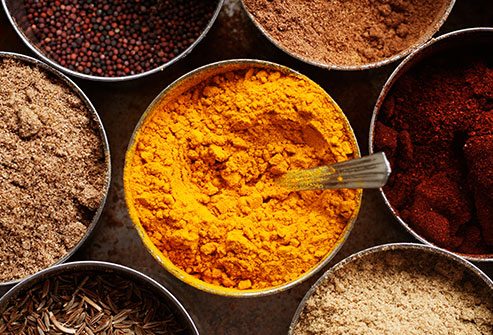
It is likely a different story when one compares cooking and baking to supplementation. The amounts in a recipe are typically significantly smaller compared to their use as a supplement. Interactions may lurk in the background but would typically not be clinically significant. Unfortunately there is very little published research on the potential for drug interactions with herbs and spices that are typically used for culinary purposes versus supplements. The research that is available usually focuses on specific compounds in the herb or spice and will usually use concentrated preparations which logistically do not match the culinary amounts. An example to demonstrate this is an alkaloid called piperine, found in black pepper: piperine has been proven to increase the bioavailability of several drugs yet no interactions have been found with the use of pepper as an ingredient in a recipe. Other examples where research has discovered a drug interaction, yet no significant reaction as a culinary spice are anise, cayenne pepper, fennel, and several curry spices. It thus seems that research in food and medication reactions is complicated with many variables besides the amount used that need consideration.
The variety of the herb/spice, the potency, how much may be taken in throughout a day and over a time period, even specific genetics of the individual in question may determine the metabolic effects of their medications and thus the potential interaction between the herb or spice and their medications.
Mixing a sprinkle of all spice or a teaspoon of cinnamon into a recipe for a dozen muffins or blending chopped garlic into lasagna is not usually a concern for a drug interaction.
Unfortunately there is very little published research on the potential for drug interactions with herbs and spices that are typically used for culinary purposes versus supplements.
However, before taking any supplements, speaking to a physician, pharmacologist or dietitian about potential interactions is recommended.
“It may be a case of the dose makes the poison” (Paracelsus – a 16th century physician)
Emotional Eating: Awareness and Control
Ilana Katz MS, RD, CSSD
Emotional (or stress) eating has always been a hot topic, mainly because one can find themselves turning to the pantry or fridge for a source of comfort, even though the appetite stimulant hormones are not active.
How it can be controlled, comes with an understanding of what it is and why it happens and then developing an appropriate strategy on how it can be controlled.
Recognizing signs of emotional eating may seem obvious, like feelings of stress, anger, or sadness drives you to eat. Underlying root causes can result from anything related to work or financial stress, relationship challenges, health issues and even simply boredom.
Submitting to an urge to eat more than required has some obvious consequences, such as potential weight gain and secondary health conditions thereof (metabolic syndrome) but also the more suble psychological consequences can be just as harmful, such as of endless feelings of guilt, anxiety and sadness.
Create Awareness
More often than not, emotional or stress eating has nothing to do with food itself. We choose food because it has many connections to filling an emotional void. Negative emotions tend to lead to feelings of emptiness. Food can create a false feeling of fullness or temporary wholeness.
Other identifiers may include behaviors such as avoiding social support, avoiding activities that may otherwise relieve stress (such as physical activity or running errands,) and engaging in negative self-talk that can create a vicious cycle of eating, feelings of guilt/anxiety, resulting in more emotional eating.
Stress, in all its forms, generates the hormone cortisol, a physiologic response to stress but also a further enabler of “cravings.”
Physical hunger versus emotional eating
Humans require food to survive, so it becomes quite a challenge to distinguish hormone reactions to true hunger from the hormone reactions triggered by emotional cues. Knowing some physical differences between the two may be extremely helpful: (table extracted from Mayo Clinic website that best describes recognizable symptoms).
Recommendations for Control
| Physical hunger | Emotional hunger |
| It develops slowly over time. | It comes about suddenly or abruptly. |
| You desire a variety of food groups. | You crave only certain foods. |
| You feel the sensation of fullness and take it as a cue to stop eating. | You may binge on food and not feel a sensation of fullness. |
| You have no negative feelings about eating. | You feel guilt or shame about eating. |
Since emotional/stress eating it not usually about food, control mechanisms will engage in stress management and mood enhancing practices.
Self Kindness
Awareness of emotional eating evading your self-control can be guilt inducing, followed by sadness and self-anger. Instead of letting these emotions fester, the first thing to do is give yourself a break. Self-compassion is the first step toward learning to comfort yourself in other ways. To break the cycle of emotions turn to food which ultimately turns to more negativity, use mantras, such as : “I am aware I am stress eating, I am worth more”. Side note: I have noticed many social media requests from others for support, and many helpful mantras have emerged. Maybe request from your friends, motivational sayings that have helped them.
It is most important to note the feelings you experience right before eating, Awareness is the first step to coping.
Fuel with Nutrient Density
Although emotional eating is not always about food, making sure you get enough nutrients to fuel your body is key. Capitalize on well-balanced daily meal planning. If you can eliminate real physiologic cravings by eating well throughout the day, it may be easier to identify when you are eating out of stress or boredom.
Create a to-do list for Coping
Note why you may be feeling stressed and next to each itemized feeling, note a behavior. not related to food, that makes you happy (such as relax in a hot bath filled with bubbles, read a chapter of a novel you may be enjoying, meditate).
If you can change the situation, more power to you, you have got this. If it feels like the problem is not within your control remember that you can always manage the way you react to it. If you can notice your stress in the moment, you can choose how you respond, rather than reacting “un”conciously.
Physiologic
The awareness strategies above may enable you to delay succumbing to the urge to eat and actually eating. Use this delay to note your stress, your emotions and your feelings of why you want to eat. We tend to push the emotions aside, so the pleasure of eating will create temporary comfort. Keep in mind, this is a subconscious decision, and you have the ability to deal with the emotions at hand rather than generate a cycle of more negativity by pushing them aside. Even if dealing with emotions is not always successful, at least the delay allows time for the impulse of eating to pass.
Get Physical
Make the temptation to eat a stimulus response mechanism for the response to be more action. In other words, once an awareness of emotional loss of control takes over, revert to moving around, go for a run, or a walk, pull out a yoga DVD, or even a quick burst of activity. Even a few minutes of movement can generate the endorphins for stress relief, add a level of refreshment and replace the urge to eat with something else.
If you are unable to move around, simple deep breathing is therapeutic meditation that you can do almost anywhere. Sit quietly and focus on your flow of breath, from nose to lungs and vice versa. Many studies support mindfulness meditation as a treatment to binge eating and/or emotional eating.
Be Realistic
Food plays a role in almost every human emotion, whether it is something we celebrate (weddings, promotions, birthdays, etc) or whether it is something sad (funerals, etc), it is natural to share these times with friends and family, and this is healthy. It only becomes a problem when it is used frequently without an awareness, and without a motivation to heal. There may come a time to consider counseling, even if it is only a few sessions. Getting to the root of the problem is the first step to awareness.
Conclusion
Food is a sought-after solution to initially ease stress and emotion, but the consequences can be extremely negative, such as weight gain, further stress, and secondary health issues thereof. Addressing the real feelings behind the need to eat is important in the long term. Work to find alternative ways to deal with stress, like exercise, support, and practice mindful eating behaviors.
Weight Management During Training
“Calories in versus calories expended” is a simple equation to help you to determine ideal nutrition for an ideal weight. In other words, anyone wanting to lose weight, whether it is an athlete or a couch potato, needs to reduce caloric intake and/or increase energy expenditure. However, losing body fat is no easy task. An athlete wanting to lose weight while in training has to be smart about their choices, in order to prevent hunger and fulfill calorie requirements for their particular training intensity. Nutrient density and energy density are both nutrition concepts that once understood, could provide some great guidelines for weight loss while training.
Nutrient Density
Nutrient density simply means the proportion of nutrients provided in relationship to the calorie content of a specific food. For example, a low nutrient dense food would have few, if any, nutrients for the number of calories. Nutrient dense foods tend to provide substantial amounts of vitamins and minerals and relatively fewer calories. This means that calorie for calorie some foods make one feel fuller than others. Protein has been shown to make one feel fuller than carbohydrates and fats. In other words, a good source of lean protein can help cut calories, increase a feeling of satiety and control hunger.
Be wary however, of protein products marketed for improvement of athletic performance. Consumption of excess protein (greater than 1.8 grams per kilogram of body weight) may contribute to kidney problems. Protein for an athlete should be between 12 and 15 percent of total calories consumed. Endurance athletes require slightly more protein than power athletes. Athletes in general require minimum of the Recommended Dietary Allowances (RDA) for protein, which is 0.8 grams per kilogram of body weight. The estimation for an endurance athlete is 1.5 grams per kilogram of body weight, and for a power athlete is 1.2 grams per kilogram of body weight.
Fiber intake during your training
Fiber is considered highly nutrient dense. Eating high-fiber foods like fruits, vegetables and whole grains, can prevent hunger while reducing caloric intake. Furthermore these high fiber foods are also nutrient dense. It has been shown that by meeting the dietary recommendations of fiber (12.5 grams per 1000 calories) per day is associated with a 10 percent decrease in calorie intake and a loss of body weight. One particular research study showed an average of a four pounds weight loss in a four month period on 14 grams of fiber per day. Note: increase fiber gradually to avoid stomach upset, gas and diarrhea.
Energy Density
The energy density of food also affects our satiety levels. In other words, gram for gram, some foods make one feel fuller than others. Energy density is defined as the amount of calories in a gram of food. The relationship between the weight of food and its calories content is determined by the water content in the food. This is logical, because water adds weight but water has no calories, so the more water there is in a particular food, the lower the energy density.
Athletes who consistently eat the same amount of food in grams per day, but lower the calories by eating more water-based foods, will consume fewer calories. Furthermore, research has shown that subjects feel just as full on the lower calorie foods as the higher calorie foods.
Low Energy Density and High Nutrient Density Eating Tips
In summary, eating higher nutrient dense foods, and lower energy dense foods, as well as an appropriate amount of lean protein, will aid in weight loss during training season. The closer to the earth your diet remains, the more successful your weight loss attempts will be. In other words, less processed food, with the bulk of your diet made up of fruits, vegetables, and whole grains.
- Vegetable soup is a great example of low energy, nutrient dense food due to its “earthy” nature and high water content.
- A bran cereal (lots of fiber/nutrient dense) with skim milk (high water content) and fruit, is a great way to start the day.
- Smoothies, made with whey protein powder, fruit, ground flaxseed (fiber and essential fats), ice and water, is an excellent recovery meal or snack.
- A great dinner option is stir fried vegetables. Some nutrient dense sides with that are whole wheat pasta or brown rice (appropriate portions).
- Add a tossed salad to lunch and dinner.
- Limit intake of processed and dry foods. For example, pretzels and crackers, are dense in calories, low in nutrient density and are very easy to over eat.
- Stay well hydrated throughout the day. Drink water, low-calorie or calorie-free beverages, such as seltzers, unsweetened tea, and caffeine-free diet sodas (in moderation).
- For snacks, liquid foods such as vegetable cocktails (high in water content), protein shakes and low fat fruit/yogurt smoothies (nutrient dense), assist in increasing the feeling of fullness.
IMPORTANCE OF HYDRATION
Ilana Katz MS, RD, CSSD
With the Summer heat and humidity, comes the importance of refreshing hydration knowledge and deployment. Although it is important all year around, physiologically neglecting to keep up good hydration practice can result in more dire consequences in the summer months. Remember that hydration is not simply the intake of water, but strategy should include the optimal balance of electrolytes. This article is a reminder to focus on pre workout daily hydration strategies, as well as replenishing what is lost during a sweat workout, and how to recover optimally.
PHYSIOLOGY REFRESHER
Sweat during exercise is physiologically purposeful to dissipate heat, and to limit the increase in our core body temperature. Maintaining blood flow to the skin during exercise is important for the transfer of the heat generated in the body to the periphery, where it can be lost through sweating. Approximately 2% of body mass loss is typically lost through sweat and failure to replace this include a drop in blood volume and a reduction in blood flow to the skin. Even mild dehydration will decrease muscle function and the ability of the brain to stay alert and focused resulting in poor performance and increase risk of heat related dysfunction.
Sweat is mostly water and salt (and four main electrolytes which are sodium, potassium, magnesium and chloride). The more one sweats during activity, the more fluid and electrolytes that must be replaced, most particular sodium (part of salt) because it is the one most likely to be dissolved by overdrinking, or likely to attract water if under drinking, removing valuable water out of cells.
Remember that thirst is NOT a good indicator of dehydration. Thirst is driven by two key physiological changes: a rise in the concentration of sodium level and a drop in blood volume. Because part of sweat comes from blood, we lose more water molecules from the blood than we do electrolytes and therefore the saltiness of the blood rises, which stimulates thirst. However, if sweat is replaced by plain water, the plasma sodium concentration falls, which reduces thirst.
DAILY STRATEGY
Based on the physiology as described above, there is a delayed brain reaction to signal dehydration, causing thirst to lags behind.
Therefore, optimal hydration means drinking before you feel thirsty. Consume water consistently throughout the day (approx. 1 fl oz per weight in kilograms is required daily to remain in a hydrated state.) Particular to training, consume sport drinks (as they provide fluid, electrolytes and energy) before, during and after exercise. Remember, sweat rate is unique so there are no generic recommendation, but an individual sweat rate test may be useful l (sweat rate is determined by weighing before and after a bout of intensity, and using that deficit to determine your individual rate of loss.) More than a 1 to 2 % body mass loss will drastically reduce performance. More than 2% loss will increase the risk of heat related disorders such as cramping, heat exhaustion and heat stroke. More seriously, severe dehydration can quickly elevate to coma or death.
SPORTS DRINK PARTICULARS
A sports drink during exercise is best suited to give the body what it needs. It replaces the fluid as well as the electrolytes that is lost through sweating. Most uniquely designed sports drinks also provide carbohydrate that fuel the muscles and the brain during physical activity You may also notice that your sports drink of choice usually tastes good when you are hot, sweaty and thirsty (physiological signals for requirement is what makes something attractive.) The components of a sports drinks have the proper electrolyte profile to maintain the physiological drive to drink.
PRACTICAL APPLICATION
Do not underestimate your fluid needs. Exercise lasting more than 30 minutes will begin to increase core body temperatures, and even more so in the heat and humidity we are beginning to face.
To remain fully hydrated set particular goals (example):
~12 – 16 lq oz of fluid in the 60-90 minutes before activity
~4 – 6 lq oz every 15-20 min during training, even when the athletes do not feel thirsty
Replace every pound lost (in sweat rate test OR weigh before and after) with ~ 16 – 24 lq oz
And most importantly, remain consistently hydrated each and every day, over and above training hydration with approx. 1 lq oz per kilogram of body weight. [Divide your weight in pounds in half and that number is the lower end of the hydration recommendation (eg a 140 lbs = 70 lq oz as a baseline hydration strategy per day.]