POWER MUFFINS

muffin

Another great muffin recipe from my sports nutrition kitchen:


FLOUR, ALL-PURPOSE 1/3 cup

WHOLE WHEAT FLOUR 1 cup

OATMEAL, DRY regular or instant 1 cup

PROTEIN POWDER, VANILLA 3 tbsp

SUGAR, BROWN packed 1/2 cup

SUGAR, GRANULATED 1/2 cup

BAKING POWDER 1 tbsp

BAKING SODA 1 tsp

CINNAMON, GROUND 1 tsp

SALT 1 tsp

ALLSPICE, GROUND 1/2 tsp

CARROT grated 1 ¼ cups

RAISIN, SEEDLESS 1 cup

MILK, 1%  3/4 cups

BUTTERMILK, LOWFAT ½ cup

RICOTTA CHEESE, LIGHT ¼ cup

SWEET POTATO, MASHED canned ½ cup

CANOLA OIL ¼ cup

VANILLA EXTRACT 1 tbsp

EGG WHITE 1 large

EGG whole 1 large

strong girl

Directions:

1. Preheat oven to 400 degrees.

2. Combine all dry ingredients in a large bowl.

3. Combine all wet ingredients in another bowl. Mix well.

4. Make a well in the center of the dry ingredients, add wet ingredients and mix

thoroughly.

5. Spray a muffin tin with Pam and fill to 3/4 full. Bake for 20 minutes. Remove from pan immediately and enjoy!


Makes 2 dozen.

1 serving (1 muffin)=156 cals, 4g protein, 28g carbs, 3g fat, 179mg sodium

Bone Injury in Athletes with Inadequate Calcium Intake

A Personal reflection!

As many of my friends and clients know, I have been dealing with a broken finger on my left hand. I have had multiple surgeries, the last being at end of 2017. Not happy with the result. First words from orthopedics mouth were my bones are in a disastrous state. Really, me, fitness model (well almost, right, lol), nutrition expert (we all know what that means, right?) and even “the professor.”   Well, needless to say, pain and bone issues are persistent. My checklist of appropriate solutions has run out. Second opinion – check (still bad bones), hand therapy – check, keeping food logs – check.  Ok, last on the list…  stay tuned!

Well, just to reflect on the nutrition side of what’s going on here. Perfect nutrition – mmm….  wasn’t that one checked off years ago?  So yes, you got me. It was, but it is vital to mention here that one person’s perfect nutrition may be another’s disaster. Nutrition is a very individual concept, and although I know a tremendous amount about the science of metabolism and the value of food as medicine, I am also learning new breakthroughs all the time. I have been teaching clinical nutrition in Life University’s Graduate program for a year or so now. My personal reflection: It turns out, that based on the caloric intake for my individual basal metabolic rate, I am one who at this stage of life and training, a calcium supplement and vitamin D compliment may prove to be essential within my profile. Supplements are not necessary for everyone, and I still work off of the principle that food is one’s most bioavailable source of nutrients and the best medicine for most ailments. Supplements are just that – supplements. And by definition: “to supplement one’s diet in which it lacks.”  Not a replacement of good sources of nutrients through food.

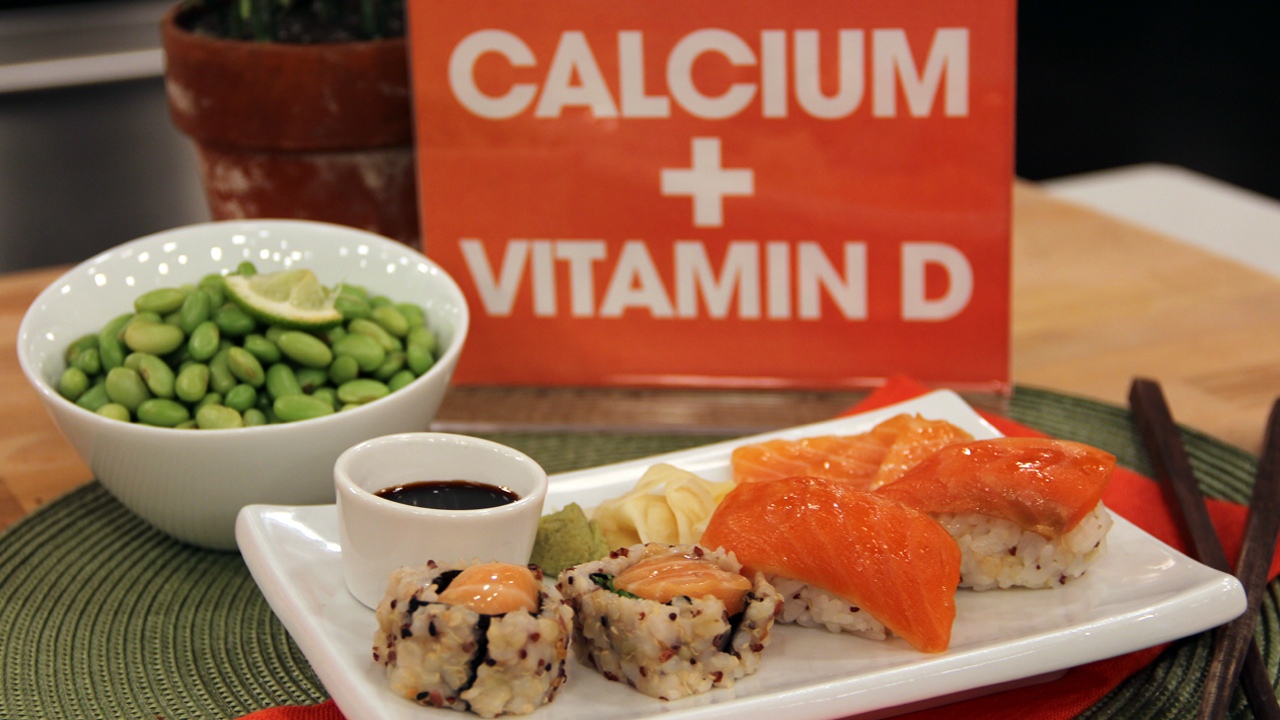
So with that said, this may be the perfect place to write about calcium and bone strength:

The science behind my experience:

Bones have a dual function in the storage and use of calcium. Not only do they serve as a reserve tank to replenish blood calcium, but they act as a storage depot for the calcium collected during the growing years. The downside to this, is that as the tank releases calcium into the blood as needed, the bones weaken. After growth, calcium cannot be put back into the bones, and thus the reserve gets depleted as calcium is needed in the blood for its daily functioning. Calcium balance is therefore determined by the intake of calcium through diet to maintain a high blood calcium level and furthermore, to prevent loss of calcium from bones. It is also important to note though, that an intake of excess calcium, does not result in increased calcium retention.

A stress fracture is defined as a partial or complete bone fracture, resulting from the bone not being able to withstand a certain stressor, such as over pounding over time. An accumulation of bone damage which is not adequately repaired simultaneous to decreased bone strength increases the risk of stress fractures.

So Doc… what are you telling me. I do not eat enough calcium? Do  I over train? My bones are weak? Unfortunately, with a history of disordered eating, genetics and a endurance training regimen, all of the above play a role. Athletes on low calorie intakes, are likely to have low blood calcium levels, and are at a high risk for bone calcium loss and osteoporosis.

Sound familiar to any of you? … especially female athletes that struggle with their relationship to food? Long term consequences of low calorie intakes, amenorrhea (defined as non existent menstrual cycle for more than 6 months) should consult a sports dietitian (as in, me ;-)) or a sports physician for an assessment. Prevent irreversible bone loss before it is too late. An assessment of calcium intake will be performed. Just some inside information here, a minimum of 800mg per day will be recommended. Furthermore, for females that do have amenorrhea, 1500 mg/day may be recommended. Anything over the daily recommended intake of calcium warrants a calcium supplement. Postmenopausal women athletes are also safe to be on a 1500mg/day calcium regimen. During adolescence, or better described in this case as bone density peaking years, it is essential that athletes get an adequate calcium intake to ensure a maximum reservoir of calcium in the bones throughout life. Excessive sodium, protein and caffeine increase calcium loss, these will therefore be assessed and tweaked in your daily diet as well.

In summary, the following lifestyle changes can help maintain an optimal calcium level in both blood for daily functioning, and bones for maximum reserves:

  • Under circumstances where dietary calcium requirements cannot be met, a calcium supplement is warranted. Be aware that supplemental calcium is not as bioavailable as calcium from food.  Calcium supplements are particularly warranted for people who are lactose intolerant, dislike or are allergic to dairy products, or cannot meet calcium requirements through dietary means in general.
  • People whose daily diet is too high in protein, sodium and/or caffeine may also benefit from calcium supplementation, although reducing these calcium inhibitors may be a more healthy and appropriate solution.
  • Taking calcium at bedtime and without food (between meals) may increase the bioavailability because the interference of calcium inhibitors in natural food are hereby prevented (eg. Phytic acid and vitamin C).
  • Maintaining a recommended vitamin D intake is also essential for bone health. Not only does vitamin D  increases the absorption of calcium but it also is an essential nutrient that makes up bone structure and bone density.  The most bioavailable source of Vitamin D is sunlight. People with minimum exposure to the sun warrant a Vitamin D supplement. Vitamin D supplements are also recommended when Calcium supplements are prescribed, since both these nutrients increase the absorption of the other.
  • Regular weight bearing exercises has a positive role in maintaining bone density. Lifting weights is thus vital as a cross training regimen to ensure optimal bone density while endurance training. Other ideas for cross training could include ground reaction forces, such as running, tennis, aerobics and any court sports (stop-start motions) since the ground reaction has a greater effect on bone density than non-ground reactive sports such as swimming and cycling.
  • Some research has found that calcium supplements are best absorbed in doses of 500 mg or less, thus splitting high supplemental doses into 2 or 3 intakes a day is recommended.

References:

  1. Clinical Sports Nutrition. Louise Burke and Vicki Deaken. 3rd Edition. McGraw and Hill publishers.
  2. Heaney RP et al. Variability of calcium absorption. Am J Clin Nutr, 47:262-4.
  3. Bennell et al. Risk factors for stress fractures in female athletes. Clin J of Sports Med. 5:229-3

Electrolyte Balance for Endurance

Ilana Katz MS, RD, CSSD

INTRODUCTION

Sodium is an essential mineral for life. It’s biochemical functions include normal cell function, blood volume regulation, blood pressure/body fluid regulation, pH homeostasis, and heart function. Because sodium in excess can result in increased blood pressure there is a fine line between balancing athletic electrolyte intake to replenish sweat values, and the dietetic recommendations on sodium intake to reduce heart disease.

Most medical organizations recommend low or moderate sodium intake for the general population. Above and beyond the general population, are endurance athletes, whose needs may differ, based on their exceptional loss of sodium through sweat. Sodium ingestion by endurance athletes does not typically increase blood pressure, so low sodium diets are not typically recommended for endurance (and various other athletes too).

I thought it may be useful to outline some alternative points of view for endurance athletes. Note however, although regular physical activity in itself reduces the risk of hypertension, no athletes are immune to hypertension. Furthermore, sodium loss during exercise depends on individual factors, such as genetics, fitness and heat acclimatization, intensity and duration of exercise and the external environment. Athletes, just like everyone else should thus monitor their general health and blood pressure statistics.

Blood Pressure

Statistics are commonly reported in wellness studies that approximately one third of the population may be sensitive to sodium taken in as part of the diet that result in hypertension. The kidney is of primary importance in sodium sensitive hypertension due to its ability to regulate sodium and any dysfunction can cause lead to hypertension .

In healthy people, typical sodium intake does not cause sustained hypertension. Athletes and most normal weight, active people have a lower hypertension risk because studies have consistently shown that blood pressure can be lowered by weight loss and regular aerobic exercise. Moreover, sodium is an essential component of most athletes’ diets because sodium ingestion helps restore total body water and fluid-electrolyte balance by replacing sweat sodium losses.

It is important, however, to note that athletes are not immune to hypertension, and athletes who participate in sports in which large muscle mass and weight lifting are required should monitor blood pressure closely. Sodium intake in this subset of athletes should be considered with the same risks as an inactive person, and be proportional to sweat losses.
Sodium Mechanism

Sodium’s main biochemical functions are the regulation of body water, electrolyte balance and blood pressure which are all connected to the brain for a stimulation of thirst through receptors in the heart known as baroreceptors. Changes in central volume or blood sodium concentration initiate a response including adjustments in thirst and sodium appetite, sympathetic nervous system activity, and renal fluid regulating hormones. In layman’s terms, this means we either get thirsty and/or have salt cravings as required.
Sodium loss during exercise

Sodium loss occurs in most r physical activities, and the duration of the activity further increases sodium losses over time. This loss is exaggerated during exercise in the heat and humidity. Most of the fluid volume loss is a directly related to the sodium lost in sweat. Individuals have varying sweat rates as well as sweat concentrations (the concentration of sodium in the sweat) and the amount of sodium that is lost depends on both of these.

Sweating is related to various factors, such as genetics, diet, body weight, heat acclimatization, fitness levels and other physiological traits, thus there is a wide variation in the amount of sweating and sodium loss among athletes. This variability remains even if all other factors such as the intensity and type of activity are the same and are performed in the same environmental conditions. However, some sodium will be lost during endurance exercise in all athletes and the extent of the loss determines how much sodium needs to be replaced. While some of the sodium released in sweat is reabsorbed by the sweat gland, sweat sodium loss during exercise (especially in the heat) occurs more rapidly than it can be reabsorbed, so much of the sodium in sweat is lost. Heat acclimatization improves sodium (and other electrolyte) reabsorption so heat acclimatized individuals usually have a lighter sweat concentration for any given sweat rate.

Sodium Ingestion for Athletes

Endurance athletes have been known to lose up to 2 – 3% of their weight in an event lasting 2 hours. This can result in about 1.5 to 2g of sodium loss every 90 minutes or so. As both the body water volume is reduced and sodium is lost, an increase in the concentration of sodium in plasma results.

The American College of Sports Medicine position stand “Exercise and Fluid Replacement” provides specific information on the sweat sodium lost during various activities. Although there is wide variation across individuals and activities, this position stand indicates that athletes can lose as much as 5 g sodium in sweat during a single high intensity workout. Thus, during endurance exercise, the sodium ingestion plays an important role to minimize dehydration and assist with body fluid maintenance and electrolyte balance. Sodium ingestion not only replaces some of the sodium lost in sweat, but induces the thirst drive to aid the athlete to continue drinking and increase fluid consumption. To kill two birds with one stone per se, the athlete should use sports drinks with sodium concentrations that are formulated to match their sweat rate, or supplement their fluid intake with salt tablets or electrolyte supplements if their sweat is typically highly concentrated.

Thirst

Body water volume restoration is assisted by hormones and baroreceptors that initiate a thirst sensation. Fortunately, the thirst sensation is extremely sensitive to changes in sodium within the blood, and as little as a 2% change will induce thirst. These thirst mechanisms during endurance exercise are most effective for training or events under two hour typically. They tend to desensitize after longer periods of time due to a number of other factors offering interference with the thirst mechanism over time. For example, the mere act of swallowing suppresses the thirst sensation.

To optimize performance in longer events, athletes should therefore have a liquid intake strategy that includes a sodium replacement element.

Endurance Associated Hyponatremia (salt levels too low)

As noted earlier, a ~ 2-3% loss in total body water with a simultaneous increase in plasma sodium concentration is fairly common for marathoners. Unfortunately this condition is one of the highest causes of death in endurance sports, and therefore these facts should be carefully noted, particularly by athletes. Athletic hyponatremia is associated with several serious symptoms, such as confusion, nausea, light-headedness, dizziness and fatigue In severe cases, the consequences of brain swelling can cause permanent damage from which some athletes do not recover.

The best way to avoid the risk is to be sure that fluid intake does not greatly exceed fluid loss. Athletes can track this by monitoring fluid intake as well as the volume and concentration (color) of urine.

Unfortuanetly, mechanisms contributing to endurance associated hyponatremia have been difficult to study because most investigations in the area are retrospective: that is, athletes who have become hyponatremic during a long distance event are already at the finish line, or receiving treatment in medical tents. These studies have their limitations in that they may miss subjects with who are asymptomatic and recover on their own. The studies available therefore are only regarding extreme cases or athletes who are more sensitive to hyponatremia and experience symptoms with only small changes in plasma sodium.
PRACTICAL APPLICATIONS

  • There is large individual variability across athletes and/or active people in sodium losses through sweating, so athletes should evaluate sodium and fluid losses during workouts.
  • Athletes should practice their fluid replenishment strategies as they are training for the event, and learn which products will be provided by the race organizers along the route. They should have a good idea of what provides optimal sodium for their levels (drinks, snacks, etc.) in case those at the race need to be supplemented with their own stash.
  • Combining urine examination to determine how dark or light the urine is with measurement of a usual body weight can provide an indication of any significant changes in hydration status.
  • Sodium ingestion during long term exercise
    • improves hydration through volume retention
    • increases plasma sodium content
    • maintains thirst for reminder signals
    • stimulates the kidneys to retain water
  • One liter (34 oz) of a well designed sports drink will typically provide 460 mg of sodium.
  • Although body fluid status related to dehydration and endurance associated hyponatremia (often a result of excessive drinking) is completely different, some of the symptoms, such as confusion, nausea, light-headedness, dizziness and fatigue can overlap. Therefore, if changes in body weight or a blood sample cannot be attained, assessment of fluid intake and urination during the (training) event is important before deciding on treatment.
  • Athletes who lose large volumes of sweat should consider supplementing additional sodium in the form of sports drinks with greater sodium content or bars, gels, electrolyte powders/tablets, or salty snacks that provide extra sodium.
  • Many sports drinks are hypotonic to blood plasma (has a lower salt concentration to blood plasma,) so athletes who use sports drinks should not assume that they are immune hyponatremia.

SUMMARY

Thirst, drinking and hormonal regulation of fluid balance are tightly controlled through homeostatis. Blood plasma sodium concentration is a potent thirst stimulus at rest, during exercise and in the post-exercise rehydration period. Sodium ingestion is a recommended means to continue a thirst inducing drive to ensure adequate rehydration.

The sodium can come as a part of the athlete’s diet, but after long lasting endurance exercise, especially in the heat, the athlete may want to consider salty snacks or drinks with electrolytes. Sodium ingestion and maintenance of sodium concentration also stimulates renal mechanisms to reduce water loss in urine and conserve fluid.

Counteracting Muscle Glycogen Depletion

Because Low carbs is all the rave right now, I felt an article about Carbs for athletes (particularly endurance) is timely.

Carbohydrate is typically the limiting energy substrate in exercise, meaning that it will run out before protein or fat runs out. Glycogen depletion is a term used to describe when carbohydrates are used up and no longer exist as a fuel source for working muscles. In other words energy stores are depleted, which can result in cells and muscle tissue being damaged and the immune system being stressed if exercise continues. Some of theses metabolic processes, which can lead to muscle soreness and damage, can be counteracted to a degree by dietary factors.

What and How Much should I eat

Before the workout

It is important to fuel your muscles before the workout begins. A good analogy to remember is that you do not drive your car to its destination, and then put gas in it – our bodies work the same way. Fill the tank by eating a meal comprising mostly of low- to moderate-glycemic carbohydrates two to three hours before exercise (e.g. oatmeal). A good preworkout meal should contain some protein, which in turn decreases the body’s reliance on muscle protein as an energy source, sparing the muscle to focus on the workout. It also enhances the recovery period by being available as amino acids for protein synthesis (e.g. add a scoop of whey protein powder to the oatmeal).


During the workout


The aim is to increase sparing of muscle glycogen and simultaneously improve endurance. Maintaining a continuous source of glycogen during intense training minimizes muscle tissue damage and further aid in post-workout recovery. There is consensus that 8 to 10g of carbohydrate per kg of body weight will maintain appropriate glycogen levels during heavy training. Recommendations for an endurance event include liquid carbohydrate right before the event, and a regular consumption of glucose polymers (e.g. maltodextrin) during the event, to delay fatigue. A 6 to 8% solution containing 15 to 20g of carbohydrate per 7oz of water is ideal (such as Gatorade or Powerade). Such sports drinks are easily absorbed during workouts, as well as provide water and electrolytes to prevent dehydration. New research shows that in addition to the glucose intake, a small amount of protein during workouts may also stimulate more insulin, which further aids the transportation of glucose to the muscles. Amount of appropriate consumption will depend on the type of athlete, the intensity and duration of the event, and the temperature.

After the workout

A first priority after a workout should be recovery in order to return to be fully prepared with a full tank of fuel for the next training bout, as quickly as possible. It is not possible to consume enough carbohydrate during moderate- to high-intensity exercise to replace the glycogen that has been depleted. Furthermore, the muscle degradation during exercise requires protein to fully recover. It is therefore important to consume additional carbohydrate and protein after the workout. This should be done as soon as possible, a period known as “the muscle recovery window” or “the glycogen replacement window” (the first two hours after exercise). This is because the enzyme (glycogen synthase) responsible for storing glycogen is highly elevated immediately after exercise. Again, a combination of carbohydrate and protein is the best source of macronutrients for post exercise recovery. Sports drinks are highly recommended for the recovery period due to their ability of rapid absorption, and their water and electrolyte content.

Consequences of unrecovered glycogen depletion

Failure to appropriately replete glycogen may result in chronic glycogen depletion. There is evidence linking muscle glycogen depletion with both fatigue and injury. Symptoms are very similar to those of over-training. Muscles that are fatigued lose their strength, and thus their ability to protect joints, with the unfortunate risk of injury. The purpose of a good recovery nutrition strategy is to avoid chronic glycogen depletion that can take place over several days of training and avoid injury. Furthermore, consistency in glycogen repletion results in effective and recovery between workouts and competitions and thus overall improved performance during competition.

Tips to avoid gastrointestinal distress for training/racing

Ilana Katz MS, RD, CSSD

voodoo

If you think you are alone when your first focus for any race is gastrointestinal distress, you are not. Are you always plotting your day based on where the bathrooms are going to be (even the ones along the course), or always having to get to races early knowing that you will be standing in the line multiple times, and do you plan your training days around where the pit stops have to be.  Believe it or not, athletic GI distress affects more than 60% of athletes.

Some of the reasons include pre-race anxiety, eating a bigger than normal breakfast in anticipation of extra fuel requirements, and then the all too familiar jostling stomach and intestines experienced in any sport that includes ground reaction forces (particularly running).

Hopefully these tips can shed some light onto your individual struggles and help reduce your stomach troubles.

Prone to the jostle…

You may be surprised about this one but often something tight around your waist may help prevent organs from jostling.  I personally discovered this one when my own GI issues were reduced after investing in a fairly tight fuel belt. On race day, the race belt used to pin race numbers too can also assist in this cause. Now of course this is hit or miss, and may just be a band-aid to a deeper problem, therefore always record fuel and fluid consumption for every training and racing day, noting all the specifics, like weather, humidity, pre-exercise meal, etc.,     Detailed data can often uncover the triggers for side stitches, onset of diarrhea or nausea, and the like.  Data helps create optimal solutions and some slight dietary tweaks during the days and weeks leading up to events will eventually have zero-runs runs.

Understand your individual transit time

Dreaded diarrhea is a major concern for many athletes, as mentioned above. The jostle reduces blood flow to the intestines which is more likely diverted to the exercising muscles. With reduced blood flow when needed, the intestinal hormones may get thrown off balance and this in turn will quicken the transit time (what is clinically called the gastric emptying rate).  Many athletes in the early phase of their fitness journeys unaccustomed to stress of hard and intensified exercise are more likely to experience runners’ trots.  As the body adjusts, intestines will revert to their normal bowel patterns and ease up this syndrome. However, not always… unfortunately even experienced athletes may experience the dreaded liquid stomach especially if there are pre-existing gastric concerns, various intolerances and allergies, and irritable bowel syndrome.

These tips may help:

  • Warm up before a race day or an intense training day. Exercising lightly stimulates the bowels to empty.
  • Adjust training times to different times of the day to help understand your transit time better. For early morning, try drink something hot like coffee, hot lemon water, tea, etc., but be sure to allow for time to sit on the thrown with patience.
  • Find stress reducing exercises for race day with the goal of reducing anxiety and fretting. Many sports psychologists suggest meditation, breathing exercises, yoga poses and practicing positive visualization of a stress free environment.
  • Eliminate high fibrous foods the day leading up to the race, and especially the morning of. Fiber increases transit time and usually at a very inconvenient time when racing.
  • Do not chew gum or drink carbonated beverages or anything else that either causes the swallowing of air or the popping of air bubbles intestinally.
  • Sugar-free products that contain sugar alcohols are even more the devil than one would think. Sorbitol (found in many sugar-free gums and processed products) is a stimulant for the onset of diarrhea.

seat-yourself

An interesting way of getting to the bottom of your personal transit time is to eat and monitor elimination with foods that are visible in the feces like corn, pumpkin or sesame seeds, or beets (based on color changes).

Hydrate consistently and well

Often diarrhea is related to dehydration, and moreover, exercise-induced dehydration – which is related to sweating out more fluid than is optimally comfortable replacing. Athletes are too quick to blame the ingredients in many of the available sports nutrition products. This means hydration each and every day, not just days before a race, or race day itself.

Eliminate suspected culprits

We typically know our own bodies and suspect various foods that may be contributing factors. For a week, eliminate any suspicious foods such as coffee, dried fruits, beans, high fiber breads or cereals, dairy-based foods and whatever else you feel is necessary. Next, eat a bigger than usual dose of the one suspected food and observe. Typically changes in bowel movements provide the best answers. If your GI symptoms reduce when you cut out dried fruit for example, but have a worrisome situation when you then eat an extra-large portion, the answer becomes obvious: don’t eat dried fruit.

bathroom-time

Do not forget to investigate medications’ possible side effects

More than often, athletes forget to incorporate any pharmaceuticals or even over the counter supplements they may be taking into the equation.  If all else fails, consult with your doctors, especially if you are on medications for any reason (even the reason may become symptomatic during races.)  Furthermore, doctors may be able to suggest anti-diarrheal ideas such as Imodium to help.

In summary

Races can be won or lost at the porta john.  Although many athletes experience gastrointestinal difficulties, it is an individual struggle with an individual solution. Hopefully some of these tips can reduce the frustration of your bathroom issues and prevent a derail of your perfect training regimen on race day.   But to genuinely help yourself, start a food and distress log which may help eliminate suspicious culprits.

poop-before-race