Sports Nutrition Tips for Marathon Training

It is marathon training season – fall marathons are on the horizon.  Hydrating, fueling, and recovering are going to be critical to achieving your training goals and finishing strong the day of the big event. Below are cutting-edge sports nutrition tips to help you train at your best and perform the day of your marathon.

Tip #1:

Practice makes perfect

These tips are based on information from the American College of Sports Medicine. This is solid information, but it’s general advice. Your job during training is to work with these recommendations and adapt them to what’s best for you as an athlete. That means regularly tuning into how your body feels and keeping notes in a training log. Use this information to make adjustments to your sports nutrition and hydration regimen during training so that weeks from now, on the day of your marathon, everything you do is fine-tuned and well-practiced. You want no surprises on event day. Instead, you want a proven hydration and sports nutrition regimen.

Tip #2:

Stay in your hydration zone

Most runners lose anywhere from 1 to 4 pounds (17 to 67 fl oz) of sweat during each hour of exercise. You give yourself the chance to train and compete at your best when you don’t lose anymore than 2% of your body weight due to fluid loss during exercise. This 2% rule is called your hydration zone. Calculate your hydration zone and weigh yourself naked before and after training to make sure you’re staying in your zone (eg; the hydration zone for a 150 lb person is 147 to 150 lbs). If you find that you gain weight during training, you’re over-consuming fluids. Cut back on volume. If you’re dropping below your zone, try increasing the volume of fluids you consume each hour.

Tip #3:

Don’t skip meals

If you’re carrying a few more pounds than you’d like, skipping breakfast before a workout won’t help you burn significantly more fat. In fact, it may cause you to burn fewer total calories because you get tired sooner and may not be able to train at your usual intensity. Keep in mind that after a night of sleeping you’ve been fasting for hours. You need breakfast, or at least a high-carb snack (eg; fruit, energy bar, energy gel), to help fuel the exercise you plan to do. Skipping breakfast can make it harder to maintain your blood sugar level and can deplete your limited stores of carb muscle fuel (glycogen) even faster. This can hamper your ability to get in a full workout and reduce the effectiveness of your training. So, don’t be in such a rush to lose that extra weight that you compromise your ability to train. As you continue to train the pounds will drop.

Tip #4:

Train with a sport drink

If you’re not already doing it, consider training with a sport drink. As you increase your miles, you’ll benefit from the carbs and the electrolytes. Use the sport drink that you will use at the marathon you are training for. On low-mileage days you might want to switch off between a water bottle with plain water and a water bottle with your sport drink. For longer training runs, rely more on the sport drink. Routinely monitor your pre- and post-exercise body weight to make sure you remain in your hydration zone. Remember, staying in your zone means not losing anymore than 2% of your body weight due to fluid loss during exercise. If you’re falling below your zone, bump up your fluid intake. To increase your access to fluids while training, run in a loop past your car or home, run a route where you have ready-access to water fountains, or consider investing in a fanny pack with a hydration bladder.

Tip #5:

Gels for variety or as a sport drink alternative

If a sport drink doesn’t suit your needs, or you’re feeling the need for a little variety, an energy gel taken with water can work as an alternative. Often at marathons, gels are handed out at an aid station late in a race. This reinforces the mistaken notion that gels are only a late-race option. In fact, energy gels can be consumed before, during, and after an event to help meet your carb and sodium needs. So, if a sport drink isn’t working for you, or you’re looking for some variety, try a gel.

Tip #6:

Start each workout fully fueled

Start your workouts fully fueled. For afternoon or evening workouts, consume a pre-workout meal somewhere between 2 to 4 hours before you start your training. The idea is to replenish carbohydrate fuel stores without overtaxing your digestive system. Stick to high carb foods. A moderate protein intake is fine. Keep slow-to-digest fats and fiber to a minimum before exercise. About an hour before you start your exercise, top off fuel supplies by eating a carb-rich snack. Fruit, an energy bar or an energy gel are all good choices. The carb-snack strategy also applies if your training starts early in the morning when eating a full meal isn’t feasible. Finding the right pre-race meal and snack, and the timing of each that works best for you may take some experimenting. Try different approaches during training to identify which ones leave you feeling your best.

Tip #7:

Use glycemic index wisely

Glycemic Index (GI) has to do with how fast the carbs in a food are digested and absorbed into the bloodstream. Lower GI foods are generally not ideal in the pre-exercise meal. Since these foods are processed more slowly by your digestive system and typically contain more fiber, the danger is that you could end up with gastrointestinal discomfort while running. Your best bet is to stick with pre-exercise meal recommendations from the American College of Sports Medicine: high in easily-digested carbs, moderate in protein, and low in fat and fiber for quicker digestion. Most importantly for race day, stick to foods that you’re sure work for you. Save the lower GI foods for post-recovery after training.

Tip #8:

Monitor your hydration status

Start your workouts fully hydrated. Try not to carry fluid deficits from one workout to the next. Checking your body weight can help you monitor your hydration status. If you are at your normal pre-exercise weight it’s a good sign that your hydration status is in good shape. As a general guideline, and when the timing is feasible, drink approximately 16 fl oz of fluids (ie, a sport drink, water, or similar beverage) about 4 hours before working out. If you are well hydrated this should lead to urine production. If it doesn’t, or the urine that is produced is dark in color, drink another 8 fl oz of fluid about 2 hours before exercise. This will allow sufficient time for urine to be eliminated before you start training. The same principles apply the day of the marathon. Consume enough fluids before hand to be fully hydrated, but allow sufficient time to eliminate what you don’t need.

Tip #9:

Don’t forget about electrolytes

You not only lose fluids when you exercise, you also lose electrolytes such as sodium, chloride, potassium, magnesium, and calcium. The electrolytes you need to be concerned with most are sodium and chloride, which together form salt. These two are by far lost in the greatest amounts in sweat and need to be replaced during endurance exercise. Well-designed sport drinks and energy gels should include both of these electrolytes, usually in the form of salt. Consuming sodium and chloride during training and competing can help sustain your fluid-electrolyte balance and stimulate your thirst so you are better able to meet your hydration needs. As for those other electrolytes, their levels in sweat are low and they are generally easily replaced by the meals and snacks you consume after exercise.

Tip #10:

Fueling during exercise

Carbs and fat are your primary fuel sources as an endurance athlete. Unfortunately, we have comparatively little in the way of carb stores. That means you need a strategy for consuming carbs during training or on course to spare your limited reserves. Consume 30 to 60 grams of carbs every hour during endurance exercise. If you weigh closer to 100 pounds shoot for 30 grams per hour; try 45 grams per hour if you’re closer to 150 pounds; and target 60 grams every hour if you weigh in near the 200 pound mark. Your primary carb sources during exercise are your sport drink and/or energy gel so adjust your intake of these accordingly. If you’ve met your carb needs but require additional fluids to stay in your zone, hydrate with plain water. And don’t forget to test and refine these strategies during training.

Tip #11:

Promote optimal recovery

Recovery after exercise begins in earnest as soon as you provide the nutritional components. To speed recovery, start with carbs plus a little protein as soon as possible after exercise. This will provide the building blocks for replenishing muscle glycogen and for muscle tissue repair and building. In the first 30 to 60 minutes after exercise consume 0.75 grams of carbs for every 2.2 pounds of body weight. That’s 51 grams of carbs for someone weighing 150 lbs. Eat this amount of carbs hourly for up to 4 to 6 hours after long, strenuous workouts where you have another tough workout coming up, or for 2 to 3 hours after lighter workouts. For many athletes, drinking carbs in beverage form (such as a recovery beverage with carbs, protein, and electrolytes) right after exercise is more convenient and tolerable than eating a meal.

Tip #12:

How fast to rehydrate post-exercise

How fast to rehydrate after a workout depends on when your next training session takes place. For once-a-day training, normal meals, snacks and beverages will generally rehydrate you within about 24 hours. If you’re doing two-a-day workouts and need more rapid rehydration in order to be ready for your next run, you may need a more aggressive hydration plan. If you’re doing two-a-days, weigh yourself before and after your first training session. Drink about 23 fl oz of fluid for every pound of weight lost during exercise, but drink it gradually between the end of your first workout and 1 to 2 hours before the start of your next one. Also, remember that consuming some sodium (e.g., salt) while rehydrating can help you retain ingested fluids and help stimulate your thirst. You can obtain sodium from your recovery beverage, sport drink, energy bar or gel, salty snacks, and meals.

Tip #13:

Plan ahead for race day

It’s time to start finalizing your race day plan. Think through your sports nutrition and hydration strategy for before, during, and after the marathon. Utilize your long training runs as an opportunity to put your race day plan into practice. That means doing in practice exactly what you hope to do on race day. Assess how you feel at each stage of a long training run as if it were the actual marathon. Fine-tune your approach by making adjustments one step at a time and then testing those tweaks during training. Allow yourself adequate time to dial in a regimen that works for you.

Tip #14:

Caffeine

Coffee is a beverage-of-choice worldwide, but is that caffeine kick a help or hindrance to endurance athletes? So far the scientific consensus seems to be lining up on the side of helpful. For reasons that aren’t yet fully understood, caffeine may help you work out or compete at a higher intensity without actually feeling like you’re working harder. Also, concerns about caffeine causing dehydration haven’t panned out. So, if you want to see what impact caffeine has on your ability to perform athletically, use it during training first. Stick to a moderate intake, somewhere in the range of 100-300 mg. Too much caffeine may detract from your athletic performance by leaving you feeling uncomfortable, jittery and anxious. Also, keep in mind that the caffeine level that’s beneficial for your training partner may be too much for you, or vice versa. Individuals vary in their ability to metabolize caffeine. If the caffeine dose you’ve been trying leaves you feeling too buzzed, cut back or skip it altogether.

Tip #15:

Carbo-loading

All else being equal, the more carb muscle fuel (glycogen) you start with, the better you will be able to perform in a marathon. Carbo-loading is the term used for maximizing your stores of carb muscle fuel before a big endurance event. Typically, athletes gradually taper their training the week before an event. In the 2 to 3 days before the marathon plan to increase your carbohydrate intake. For optimal glycogen reloading over this period of time, you need to consume about 8 to 12 grams of carbohydrates daily for every 2.2 pounds of body weight. For someone weighing 150 lbs, that equates to (545 to 818 grams of carbs each day). Males can usually achieve the higher carb range simply by substituting carbohydrate-rich foods for other foods that tend to be higher in fat. If you’re female, it’s not so simple because you probably consume fewer calories than your male counterparts. Effective carbo-loading for women may require adding foods to the diet. In fact, you may need to increase your total calorie intake by 30-35% in the 2 to 3 days before the event in order to boost your muscle glycogen stores. The bottom line is that the plate of pasta the night before your marathon should be the finishing touch on your carbo-load, not the entire plan.

Tip #16:

Stick to what’s tried and true

When the marathon is a week away, make final preparations for the big day. Remember to stick to the routine you’ve worked so hard to fine-tune; nothing new. Find out the marathon start time and review your pre-race meal or snack and hydration strategy. Also, make sure it works relative to your transportation arrangements. Confirm the number of aid stations on course and plan your sport drink and/or energy gel-plain water consumption accordingly. If you are using gels, set aside the number you will need and devise a plan for carrying them comfortably or resupplying enroute. You’ve done the hard work of training and you are ready. Congratulations on what you have achieved and best of luck on race day!
Get Rich Quick : Create your Own FAD Diet

I am currently designing a class for my students on the Red Flags of Fad Diets.  I have been fascinated over the latest and greatest lengths dieters will take for the quick fix. My creative juices got involved: Here is my first Lecture…

GET RICH QUICK

This is 100% guaranteed.  A idiot-proof guide to make tons of money. It has never failed. Create your own FAD Diet.  All you need are the right tools… Here are the secrets.

INTRODUCTION

Please note: This is a do it yourself project. It is fail proof. It is guaranteed to make you rich. There are no tricks, you do not need any special qualifications.

CHECKLIST OF EQUIPMENT:

Pen or pencil & Paper (or if you are good at typing right into the computer, then all you need is a computer).

You will eventually need a publisher, but because this is fail proof, and publishers will be making quite a large cut from your profits, those will be a dime a dozen.

QUALIFICATIONS:

Although it was determined that you do not NEED ANY credentials, there is a disclaimer:  This is especially effective if you have Doctorate degree in something obscure like gemology. That way you can call it the “Dr. Cheatam Diet”.   and you’ll be rich.

Here are the basic ingredients you will need to create your own fad diet:

  • A book that lists the nutritional values of every known food to mankind (this is easy  to create, because there are many databases and apps that already do this that you  can get permission to reprint).
  • A fairly good knowledge of what is available in grocery stores (and what is not too)
  • A bag of sweet potato chips (you will need a healthy snack while you work).
  • A picture of someone who was slim 5 years ago, but is now larger.
  • The larger person has to own an outfit that is at least 10 years old.
  • Air brush software

What you will NOT need:

  • No nutritional knowledge whatsoever.

STEP 1: Selecting the “magic” secret behind your diet

When choosing the method for your fad diet you will need your book of nutrition. Look in your book and find a measure of nutrition that is irrelevant to everyday life. Here are some good examples of methods for a fad diet:

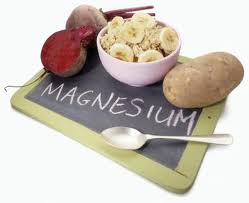
  • The “all Magnesium you want” diet
  • The “Magnesiun is making you fat” diet.
  • “I Ironed away 50 pounds”
  • “Pumping irony and Consuming Iron”
  • “Polyprotrexebate- the supplement guaranteed to reduce body fat by at least 20%”
  • “Acrolyte polymer causes obesity”

Disclaimer : You cannot use fat, carbohydrates, or fiber because a famous Doctor has already claimed the trademark to each of them.

STEP 2 : Selecting your FAD diet Food items

When choosing the menu for your fad diet you will need your list of items that they have at the grocery store. Using this list, you must follow these rules:

Menu items cannot be carried by a regular grocery store. Select specific health food

stores, since their items tend to enhance gullability.

Examples:

Hoodia and Acai used to be good examples of fad diet ingredients but may be too common.

Molasses might be used on bulgar wheat.

Frozen rutabaga and starfruit are good ideas to accompany an arugula salad.

Menu items must be unlikely to be kept in ones pantry.

Examples:

Bananas are a good idea because they spoil.

Dairy products because their expiration is within a few days.

Frozen foods are good also because they will tie up freezer space and prevent  probability of storing ice cream.

Items should sound sort of healthy, but it is fine if they are not. Items should also have minimal appeal:

Examples:

Cottage cheese is an excellent example of this

Wheat Thins are good.

Plain yogurt is just bland enough.

Castor oil is also effective.

Serving sizes must be extremely small. Particularly of the items one would need to purchase in bulk. Best if this item is useless for everyday consumption or spoils quickly.

Examples:

1/8 of a pound of ground bison.

One 1/8″ slice of kiwi.

¼  cup of puffed rice.

Two teaspoons of un-milled bulgar wheat.

1 teaspoon of dark molasses.

3 loganberries.

Items must be repulsive (this has the advantage of enhancing appetite suppressance). For these items in particular, you can increase the portion size and for some meals allow for unlimited amounts

Examples:

Red cabbage is unlimited, as it is a hidden source of phytocarageenan!

6 cans of popeye creamed spinach.

12 oz of braized goat liver

Tuesdays: eat all of the boiled crawfish you want.


STEP 3:  The Diet Schedule

Disclaimer: Ease Will Please

Time Span for expected results

Select a very short time span. Too long of a  span will ensure loss of interest too quickly. Too short of a timespan and the dieter will not be able to punish themselves enough.

Perfect timespan is thus around a window of 3 or 4 days.


Weight Reduction

Select a guaranteed weight reduction expectation. Most people realistically realize that could not physically lose more than 5 pounds per day, thus keep your guarantee a fraction shy of that.

Disclaimer: Although 3 or 4 pounds a day is reasonable, ensure your guarantee is viable, thus give a range rather than an exact number.  A large range of weight loss will provide more confidence in obtaining goals. And put an official sounding disclaimer in there for good measure. Here are some examples:

  • Lose up to 15 pounds in 4 days! (Actual weight loss ranges from 6 – 14 pounds   depending on the person, their metabolism, and the digestibility of the  phytotetracarotene encountered).
  • Follow Dr. Art Ritis’s program and see a skinny mirror image (You may experience some joint pain but if you suck it up skinny overrrides joint pain).

Step 4. Plan the Menu

Planning the specific menu should include taking each meal and eliminate one aspect from a normal meal. Remember to use your ingredients and the rules you have set in the above steps.

Examples:

Regular Breakfast

Fad Diet Breakfast

 1 Cup   Milk

3 cups unpasteurized goat milk

Piece of Toast

French water cracker

Eggs and Fruit

Free Range ostrich Egg and 1/8” slice   Kiwi

Turkeylink

—- no replacement —-

Coffee, milk and Honey

Coffee (optional)

  2   tsp coconut yogurt Or 2 tsp raw cane sugar)


Lunch

Fad Diet Lunch

Salad

1/3 of a Freze lettuce, purple cabbage

Dress with fresh grated lemon peel and

ground pomegranate seeds

Soup

Purple Cabbage soup

Whole grain turkey sandwich

         —— no replacement —-

V8 Tomato juice

Juiced papino seeds and molasses


Dinner

Fad Diet Dinner

Mashed Potatoes

Roast Beef

26 ounces of Liverwurst

Carrots

1/2 endive sauted in palm oil

Chocolate cake

Pineapple flavored unpasteurized cottage   cheese

Enriched with phytotetra zinc


Final Steps :  Add testimonials


Examples:

I lost 13 pounds between Monday and Thursday and you can too! (Include disclaimer: each individual may experience different results. However Ms. Ann Orexia is an average person that has never excelled at anything).

I was not even born the weight I am now. This is a miracle that changed my life. Thank you Dr. D. Menshea.

I have tried everything. This is the first time a diet has ever worked for me. I love that I can eat as much as I want, and not have to exercise. I have gotten used to the rule of not swallowing.

SUMMARY:

When you are done publish your diet in the form of a book. Use the pictures of your athletic friends as “after” shots. Now is a good time to haul out that air brush software if necessary.


Some extra tips:

Amazon.com is a good resource for best sellers.

Probably nothing in the world arouses more false hopes than the first four hours of a diet. By that time, you have made the sale, and you are home free.

Have your friends provide some believable testimonials and submit the diet summary into a Health and Fitness Magazine. These are not peer-reviewed and they are often looking for creative journalism, so although this is an extra step, it is relatively simple.

Research studies may provide additional credibility, so look up some key words in peer reviewed journals such as the Minnesota Journal of Medicine, quote some studies that include your special ingredient in the title. Eg: if you selected phytoquadracarotene magnesium as your specific ingredient (see STEP 3 above), then a study titled “Carotene and magnesium eaten simultaneously improves eye health,” is appropriate.


IRONMAN CHATTANOOGA!!

Hi Ilana!
Wanted to thank you again for helping me out with my weight and nutrition!

I had the best race so far thanks to you!! Using Gatorade endurance on bike and gels on the run worked perfectly! I’m still logging my food and eating the same lol!! My weight has stabilized and I feel great!

Huge hugs to you!!! Thank you for the encouragement and guidance-it was so frustrating in the beginning but you knew it would kick in! Putting my trust in the process and your advice worked

Thank you-thank you!!!!!

Stephanie. B.

CORONA VIRUS – NUTRITIONALLY SPEAKING!


In all this craziness we are all experiencing together, there is certainly a reminder of how valuable good health and immunity is. Who (W.H.O, haha, no pun intended) would have dreamed that in 2020 instead of flying around in hovercrafts we are teaching eachother how to wash our hands.   We are also constantly being reminded of how regular exercise and healthy eating is of immense importance and I bet I am preaching to a group that are on overdrive in that regard. Many of us may be thrown into a even a darker place with all our gyms and pool privileges being denied, races being suspended or canceled. And then the big question – what are you all doing nutrition wise?

Some challenges may include – adjusting to your new normal daily. Some may be in less of an energy deficit because accessibility has changed. Some may be creating more of a deficit because time on our hands, means more time and motivation for get physical.

The difference in energy expenditure between the variety in these can be enormous, and it may be necessary to cut calories on days of reduced training or increase calories on heavier than expected days. Choices of immune-boosting foods may also become a refocus. These small modifications to your daily diet add up and are helpful in maintaining your proper race weight and energy balance while the world around us is wobbling. Furthermore, adjustments like these, along with optimal food choices has more chance of leaning towards immunity boosting versus risk.

Less energy density

On rest days your caloric expenditure is reduced, as little as 100 unused calories per day can add up big over time– a weight increase of 10 lbs per year. Body fat is ballast for an athlete and excess body fat reduces performance and optimal power to weight ratio. To prevent storing unused energy as body fat, replace dense carbohydrate foods such as pasta, bagels, breads and potatoes with lower calorie carbohydrate snacks such as Greek yogurt, cottage cheese, fruits and vegetables. Furthermore, the color in your earthy foods represent a variety of anti-oxidants not only to fight of the free radicals that exercise can produce, but also to boost your immune system to fight the war of the Virus.

Watch the supplements

Energy bars, gels, supplement shakes and other sports nutrition products are not as necessary for lighter days, as they are for heavy training and recovery. On a light training day consider using reduced serving sizes during your work outs. Typically a work out of less than 60-90 minutes at lower intensities will require only water for hydration. You can also modify your recovery or meal replacement shake by substituting ice and water for milk or yogurt in your shakes. Furthermore, staying well hydrated constantly and not just during workouts, keeps your immunity strongest.

Portion control

Portion sizes are one of the biggest factors to control. Reduce portions on lighter days but keep your macro nutrient balance of proteins, carbohydrates and fats in tact. You will find it easier to maintain your body composition balance if your choice of meals and snacks are mainly natural and unprocessed. Fresh or frozen fruits and vegetables, whole grains, lean sources of protein such fish, egg whites, and white meat poultry should make up most of your daily consumption. Egg yolks are mainly saturated fat and removing them on righter days is another way to mitigate excess calories. Tofu and soy products are also a good source of lower calorie, lower fat proteins, especially for vegetarian/vegan athletes. Reducing calories includes eliminating those desserts that you may be able to get away with on heavy training days. Plan your daily menu. Planning helps resist temptation and ensures the availability of the best food choices for weight management. Planning can be as simple as making a grocery list. I get that choices may be limited right now, but consider a daily plan with what you have on hand.

Replenish glycogen stores

Glycogen is the stored from of carbohydrate in the muscles and liver. Your stores of glycogen can quickly become depleted or be reduced slowly over time. It is not unusual to put on several pounds after a few lighter days in glycogen alone, since it contains a lot of water and is therefore heavy. You may find your work out quality is significantly higher after a few light days. This may not only be due to sufficient recovery but is likely a product of increased energy stores. Maintaining an optimal race body while having enough energy to train can be a slippery slope. Glycogen weight can be added very quickly and should not be confused with body fat which comes off and on more slowly. It is important to know your fully replenished weight. If you are eating enough calories on heavy training days glycogen depletion should not be an issue but if you find yourself down a few pounds going into a rest or recovery day cutting calories is not applicable if your goal is weight maintenance.

More immune boosting ideas

Fruits and vegetables with a variety of vibrant colors are naturally high in immuneboosting compounds that are specifically shown to help beat ailments more quickly. Berries in particular, naturally contain A, B, and C and stimulate the immune system. There is a fair amount of research that shows the complex natural sugars in berries support the immune system in fighting cold and flu.

Be consistent!

We will always face a variety of health challenges in our world. The key is not simply responding to this latest one and then moving on. The key is to make your health a priority every day, year after year.

Most importantly – Don’t eat all your quarantine stockpile at once!!

Second most importantly – wear green today to avoid being pinched. If you do not have anything green, then make sure you are a considerable distance away from anyone that could pinch you!!

HAPPY St.        PATTY’s DAY!!

Self-Quarantine Accountability Packages

In this time of isolation, how are you coping with staying on top of optimal health and body composition goals?

Avoid Being a Statistic… Let me help 😉

SELF-QUARANTINING OFFERS:

I am offering guidance with

  • meal planning structure
  • macronutrient breakdowns
  • timing
  • grocery lists (assisting with selecting grocery delivery options if needed)
  • accountability
  • mindful eating
  • Log Analysis
  • and more….

Sign up with

ZOOM

WHATSAPP

ETC.,

Email me if interested in any of the following:

For returning clients – take off a further 10%

Meal planning session with one month of weekly check-ins:   $275

If you feel comfortable with current meal plans and just want to check in with me weekly for analysis and accountability: $185  per month (purchase 3 months at once and save an extra 10%) – $495 for 3 months

ILANA

Ilana Katz MS, RD, CSSD

ilanakatz@onforlife.com  /  404-226-7723 (cell)